

Request Quote
Pipeline work often demands a careful balance between progress and continuity. Crews may need access to an active section of pipe, yet the system still has to keep moving enough flow to support the operation around it. That’s where planning becomes just as important as the field work itself.
When a project calls for a line stop, temporary flow control can determine how smoothly the work proceeds. A well-designed bypass setup helps maintain service while the isolated section is taken out of the active line. Taking the time to understand bypass pumping setup before a line stop operation occurs will give you a clearer view of how this type of work stays controlled in the field.
Bypass pumping does more than support the main operation. It protects the flow while the stopped section remains out of service. If the setup performs well, crews can work inside a controlled window instead of fighting unstable conditions.
If the setup falls short, the effects spread quickly. Pressure may shift, and the work area may become harder to manage. A line stop only works as planned when the temporary flow path works with it.
Industrial process lines and wastewater mains often have little room for interruption. In those settings, bypass pumping isn’t a convenience; it’s what allows the work to even proceed in the first place.
A dependable bypass pumping setup during a line stop operation starts with a clear picture of how the pipeline normally operates. Crews need to know the size of the line and the expected flow through it. They also need to understand how the system behaves under normal demand. Without that understanding, the bypass design rests on flimsy assumptions.
The site itself also affects the plan. A route that looks simple on paper may become difficult when the bypass has to cross equipment or move around traffic. It may also have to climb over changes in elevation. Every extra challenge can raise demand on the temporary system.
Fluid conditions matter as well. Clean water behaves differently from thicker material or process fluids that react to heat or pressure. The pump and the temporary route have to reflect what the line actually carries.
The pump sits at the center of the bypass system, so crews can’t treat equipment choice as a routine step. The selected unit must meet demand without running at the edge of its limits from the start. A setup with no operating margin becomes difficult to control when conditions change.
Capacity is only part of the decision. The pump also has to prime reliably and hold stable performance through the full work window. If it struggles to maintain suction or loses consistency under load, the line stop becomes much harder to manage.
Experienced teams also think about how the unit will perform after startup. Some systems appear stable at first, then become less predictable as the work progresses. A stronger equipment choice reduces that risk before it affects the operation.
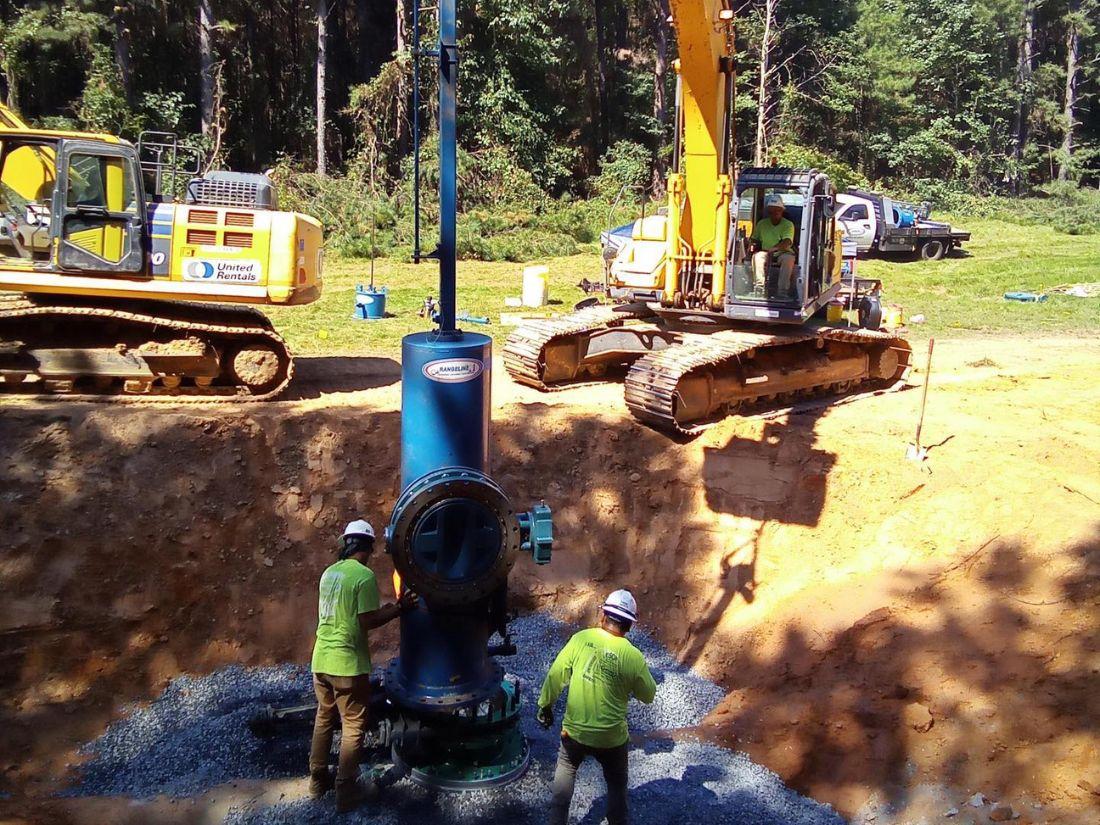
Temporary piping deserves the same attention as the pump. The hose size matters, and so does route length. Connection quality matters, too, because each of those factors influences how well the flow moves through the isolated section. A weak point in the temporary line can undermine an otherwise solid plan.
Crews need a route that supports performance instead of fighting it. Unnecessary bends add resistance, and poorly supported hose can shift once pressure rises. A cleaner layout gives the system a better chance to stay steady.
Connection points need close inspection before startup. A loose coupling may not show trouble during setup, yet it can fail once the bypass reaches full demand. Careful installation helps crews avoid leaks and sudden loss of control.
Once the bypass comes online, the work shifts from preparation to active control. Crews need to compare real conditions to the baseline they recorded before the stop began. That comparison helps them catch problems before those problems begin to shape the job.
Pressure readings usually reveal the first signs of trouble. If the numbers begin to drift, the crew has to decide whether the issue lies with the pump or the temporary route. Quick adjustments can protect both the job itself and the surrounding work zone.
Suction conditions need the same level of attention. If the inflow becomes inconsistent, the pump can lose efficiency and begin to cavitate. That kind of instability can put the entire setup at risk during a critical stage of work.
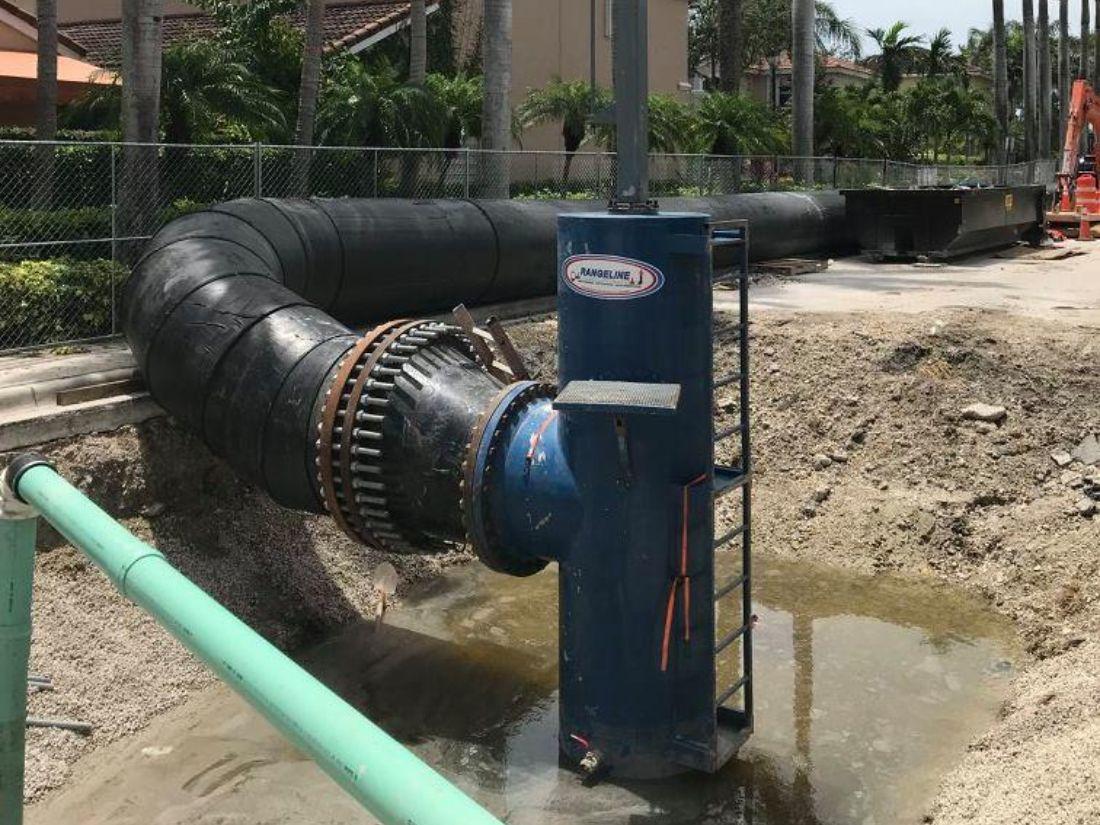
Field conditions rarely stay out of the way. A bypass layout that works in an open utility corridor may need a different approach inside a plant with narrow access and active equipment. Good planning accounts for those limits before crews arrive.
Noise can also affect placement. A loud pump near occupied space may interfere with nearby work or create avoidable complaints. When that happens, the team has to balance practical placement with hydraulic needs. Weather adds another layer of pressure. Rain can soften the ground under equipment, and colder temperatures can affect hose performance during startup.
Bypass pumping and line stopping must work as a single operation. The bypass crew needs to understand the sequence of the stop, and the line stop crew needs confidence in what the temporary system can support. When those groups work from different assumptions, it becomes harder to control the job.
That coordination should begin before mobilization. Everyone involved needs a clear startup sequence and a shared understanding of acceptable operating conditions. Strong communication reduces confusion once the line stop is active.
This is one reason experienced contractors often pair flow management with line stopping services. The two functions depend on each other in the field, especially when service has to continue through the work window. Treating them as one coordinated effort gives the project a better chance of staying under control.
Safety during bypass pumping doesn’t come from equipment alone. Crews still need to secure hoses and protect access paths. They also need to keep temporary components from creating new hazards around the site. A controlled layout supports both performance and worker safety.
Pressure changes deserve constant respect because they can move hose or stress fittings with little warning. Regular monitoring gives the crew time to respond before a small issue becomes a serious one. That discipline is what turns a bypass pumping setup from a temporary workaround into a dependable part of the job.