

Request Quote
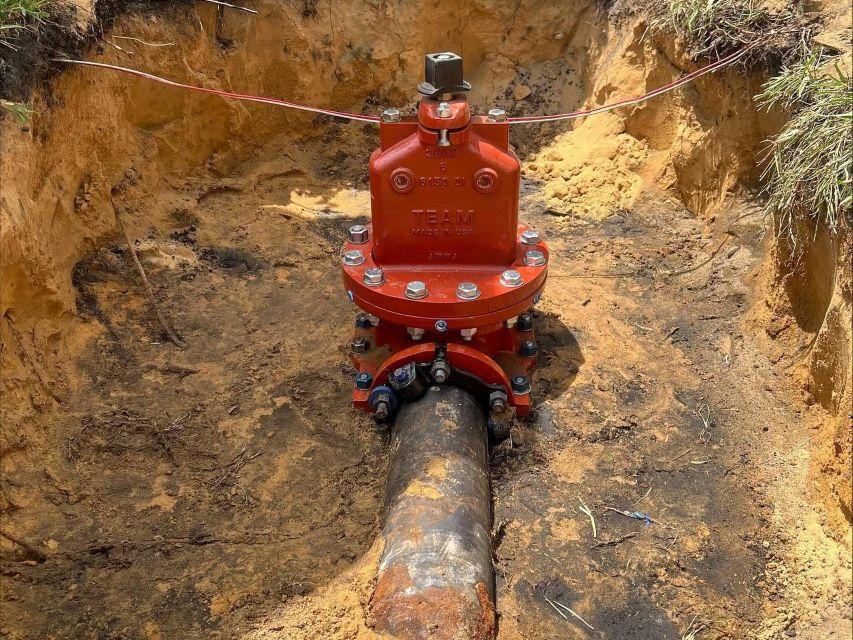
Pipeline control depends on more than the valve body itself. Deep inside each insertion valve, a sealing element creates the barrier that stops flow when crews need isolation for repairs or system changes. Its material and design can have a direct effect on valve response and overall reliability under pressure.
No universal seal fits every application. Water chemistry, pipe condition, internal pressure, temperature, and expected valve use can place very different demands on a sealing element. A seal that performs well within a municipal water main may face unsuitable conditions inside an industrial pipeline with oils or aggressive fluids.
Material selection deserves close attention before crews install an insertion valve. Flexible compounds must retain their shape under compression without excessive wear or loss of contact across the valve surface. Learning about insertion valve sealing element types and their benefits will create a stronger foundation for reliable isolation throughout its expected service life.
Elastomer seals provide flexibility that helps the material conform to contact surfaces inside an insertion valve during closure. Small surface variations can exist within older pipelines, especially after years of pressure cycles and regular system use. A resilient seal can accommodate minor irregularities without sacrifice to the firm contact required for effective flow isolation.
Elastic recovery also matters once crews reopen the valve. A quality elastomer can return close to its original form after compression, so repeated valve cycles place less permanent strain on the material. This response supports consistent operation across systems where valves may require periodic use for maintenance or network control.
EPDM has earned widespread use across water applications due to its resistance to moisture, ozone, and many common environmental conditions. It maintains useful flexibility across a broad temperature range and responds well to compression within properly designed valve assemblies. Those characteristics make the material a practical option for many insertion valves used across potable water distribution networks.
Fluid chemistry still matters before a project uses EPDM. Petroleum oils and several hydrocarbons can weaken the material or alter its physical properties after extended direct exposure. A careful review of system contents can determine whether EPDM offers an appropriate match for the conditions inside a specific pipeline.
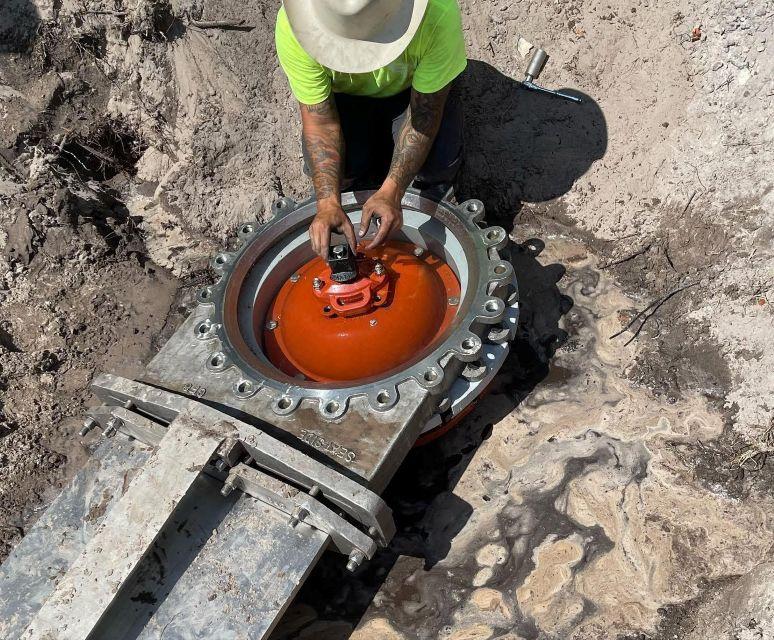
Some pipelines expose valve components to oils or petroleum compounds that standard seal materials cannot tolerate well. Nitrile rubber offers greater resistance to many of these substances and retains dependable mechanical strength under compatible service conditions. Its characteristics can suit industrial systems where occasional or routine petroleum contact forms part of the normal pipeline environment.
Nitrile still has defined limits. Temperature extremes and certain chemicals can affect its flexibility or reduce its useful service life when conditions exceed manufacturer recommendations. Accurate system information allows valve professionals to determine whether nitrile provides the right balance between chemical resistance and dependable seal contact.
Natural rubber offers excellent elasticity under suitable conditions and can form close contact with valve surfaces during closure. The material recovers well after compression, a useful trait for valves that must open and close numerous times across their service life. Its resistance to abrasion can also support applications where moderate contact with suspended particles creates additional physical stress.
Environmental exposure can narrow its suitable range. Oils and several chemicals may degrade natural rubber and eventually alter the characteristics necessary for a dependable seal. Valve selection must account for these limitations before a project relies on natural rubber within an active pipeline system.
Abrasive conditions can place severe stress on sealing surfaces as fluid carries suspended particles through the pipeline. Polyurethane offers strong resistance to cuts and physical wear, so it can remain durable under conditions that challenge softer elastomers. It is possible to adjust polyurethane formulations to provide different levels of hardness for specific valve designs and service demands.
Greater toughness does not eliminate the need for careful material selection. Different polyurethane compounds react differently to heat, chemicals, and pressure, so system conditions must match the properties of the chosen formulation. Proper specifications help preserve enough flexibility for effective contact without sacrifice to the durability that makes polyurethane valuable.
Material alone cannot determine how well an insertion valve isolates flow. Seal geometry affects where pressure develops across the contact surface and how the material responds once the valve reaches its closed position. A well-designed element distributes force across the necessary area without placing excessive stress on one section of the seal.
Professional insertion valve services can assess pipeline conditions and identify a valve configuration that suits the actual demands present at each site. Experts can evaluate the pipe itself before they determine how seal material and valve design should respond to expected pressure. That expertise can support dependable isolation without an extensive shutdown across a larger section of the pipeline network.
Compression seals create a barrier when mechanical force presses flexible material against the valve contact surface. As pressure increases, the seal changes shape enough to fill minor irregularities that might otherwise allow fluid to pass. The correct amount of compression helps establish firm contact without force that could permanently distort or damage the sealing element.
Valve construction influences how that force reaches the seal. Uneven pressure can leave weak contact areas or place excessive stress on another portion of the material during closure. Precise valve components help distribute compression more consistently and support predictable seal performance each time operators isolate pipeline flow.
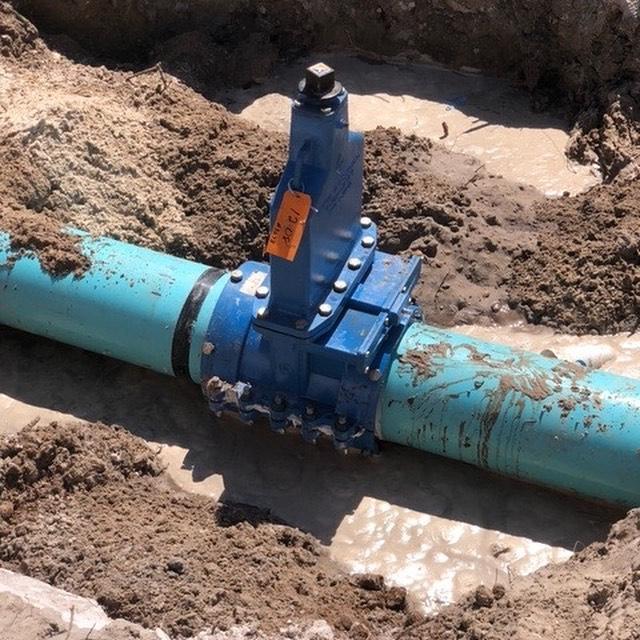
Even the right sealing element can fail to deliver expected results when poor installation damages its surface or affects alignment. Valve components need clean contact areas, accurate placement, and proper mechanical adjustment before the system returns to regular operation. A small installation defect can create a path for leakage that becomes more apparent once full pipeline pressure returns.
Careful workmanship helps preserve the seal from its first valve cycle onward. Technicians can verify valve position and closure response before the insertion valve assumes its full role within the active system. Proper installation gives the selected sealing material the conditions necessary to perform as the valve manufacturer intended.
Insertion valve performance depends heavily on the relationship between seal material, valve design, and actual pipeline conditions. Different sealing elements respond to pressure and compression in distinct ways throughout normal system use. That variation makes careful evaluation an important part of any insertion valve project where dependable isolation matters.
The best choice for valve sealing element types comes from a clear assessment of the pipeline rather than a general preference for one seal material. When valve construction matches the environment inside the pipe, the sealing element can maintain dependable contact across repeated operational demands. Professional expertise also helps ensure the valve receives proper placement and setup for reliable flow control throughout its expected service life.