

Request Quote
Shutting down a pressurized pipeline is expensive, disruptive, and often avoidable. For municipalities, water utilities, and industrial facilities, draining a system can trigger service interruptions, water loss, regulatory complications, and operational downtime.
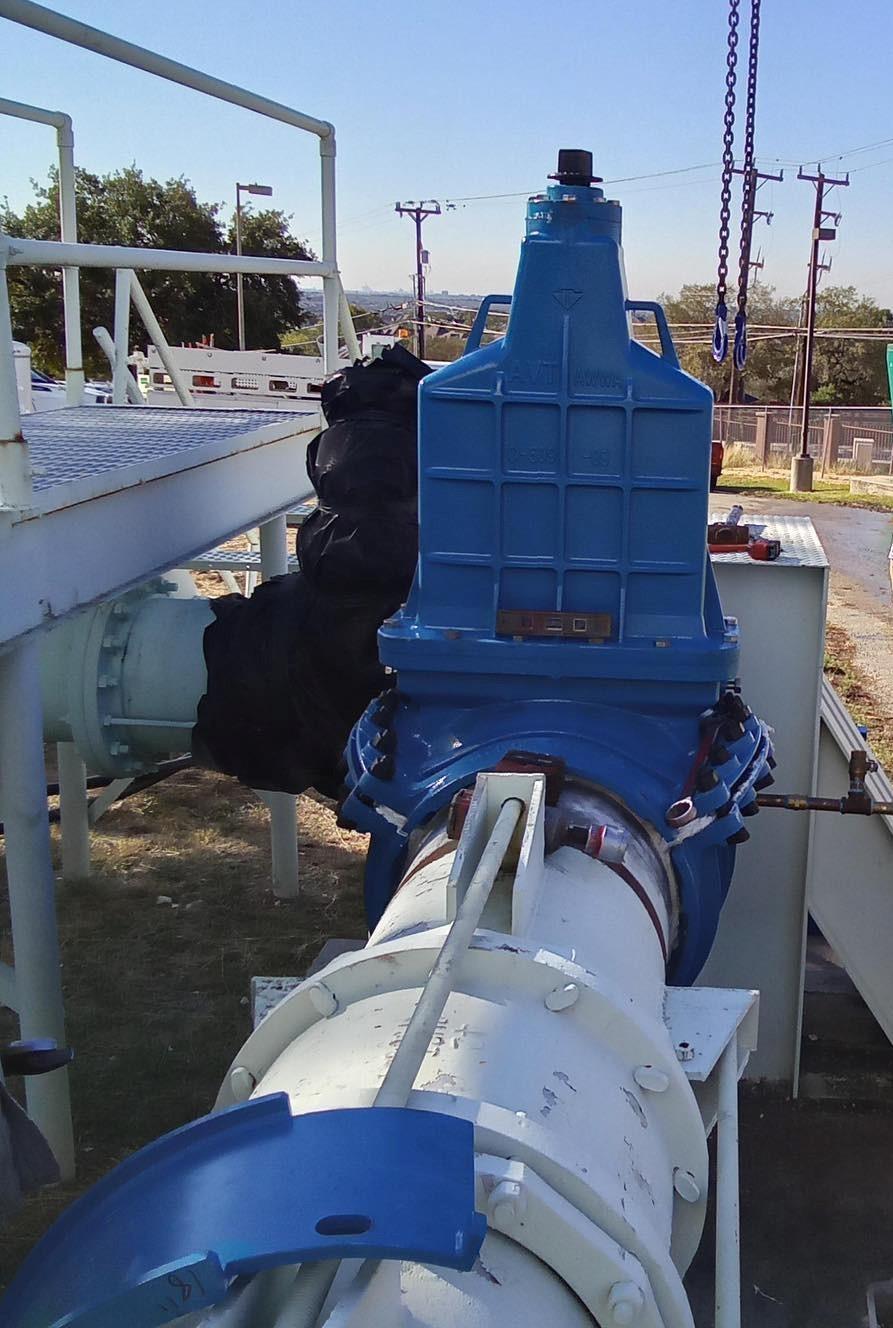
That is why installing an insertion valve without system drain down has become a preferred solution when new isolation points are needed. Doing this on live, pressurized pipelines allows contractors to add a permanent valve while the line remains in service, improving sectional isolation and future flexibility without the immediate impact of a full shutdown. Let’s take a deeper look at this process, though, to better understand it.
Draining a water main or process line may appear straightforward, but in practice, it creates operational, financial, and regulatory consequences that ripple across the system. Understanding these impacts helps decision-makers evaluate whether live installation methods offer a more practical alternative.
For municipalities, draining a distribution main can affect hundreds or thousands of customers, often requiring boil water notices and coordinated communication. In industrial environments, a shutdown may halt production, disrupt cooling or process systems, and create cascading delays across operations. Insertion valve installation allows the system to remain pressurized and operational during the procedure, preserving normal service levels while adding isolation capability.
System drain down can result in significant water loss, particularly on large-diameter transmission mains. Beyond the direct cost of lost product, there may be environmental considerations such as controlled discharge, dechlorination, and erosion prevention. By keeping the line live, insertion valve installation minimizes unnecessary waste and supports conservation and compliance objectives.
Shutdown planning typically involves additional labor, traffic control, flushing, refilling, system testing, and coordination with affected stakeholders. Each of these steps increases project scope and extends timelines. Avoiding drain down reduces these secondary requirements, resulting in a more efficient project with a lower overall operational impact.
Insertion valve installation is a controlled, engineered process performed under live conditions by specialized contractors. While asset owners are not responsible for executing the work, understanding the major phases helps them evaluate proposals, assess risk, and plan around operational constraints.
Every installation begins with a detailed evaluation of the existing pipeline to confirm compatibility with insertion valve technology. Contractors verify pipe diameter, material type, wall thickness, pressure conditions, and overall structural integrity using available records and field inspection after excavation. Not all pipelines are suitable candidates, so confirming sound pipe condition is essential to ensure long-term performance and a reliable seal.
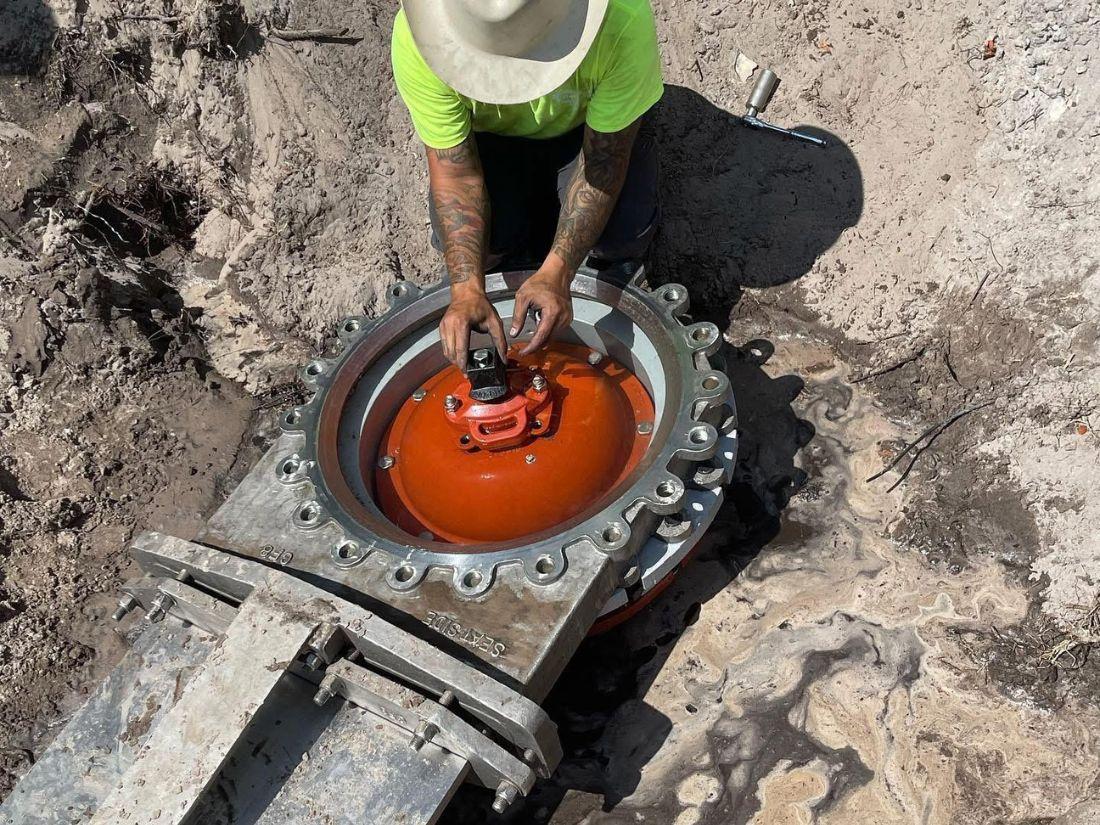
Once the pipe is exposed and prepared, a tapping sleeve is installed around the main to create a secure, pressure-tight connection point. A hot tap is then performed under full system pressure, allowing teams to remove the section of the pipe wall without interrupting flow. Specialized tapping equipment safely retains and withdraws the cut section, maintaining system integrity while providing access for the valve assembly.
After the hot tap is complete, the contractor will introduce the insertion valve assembly through the tapping sleeve and position it inside the live main. The valve expands or mechanically sets against the interior of the pipe wall, creating a full circumferential seal capable of isolating downstream sections when needed. This method eliminates the need to remove large sections of pipe and avoids the extensive shutdown planning required for traditional valve installation.
Following installation, the assembly undergoes verification procedures to confirm proper operation and sealing performance. Pressure conditions are monitored, leak testing is conducted at the sleeve and valve interfaces, and the valve is cycled to ensure full functionality. Documentation of these test results and installation details is worth holding onto for support compliance requirements and long-term asset management.
Insertion valves are often used as part of a broader infrastructure strategy to improve control and resilience within a distribution or process system. They are particularly valuable in systems not originally designed with sufficient sectional isolation in mind.
Older water and wastewater networks often lack adequate intermediate valves, so a single break can require shutting down large service areas. Installing insertion valves allows utilities to segment their systems without major reconstruction or prolonged outages. This added flexibility reduces the scope and impact of future repairs.
As municipalities expand and facilities grow, isolation requirements evolve to reflect new service areas and operational priorities. Installing insertion valves at strategic points creates manageable sections within the system, supporting maintenance, upgrades, and regulatory compliance efforts. This approach strengthens overall system control without disrupting existing customers or operations.
Before performing significant repairs or connecting new infrastructure, utilities often need reliable isolation to create a controlled work zone. Installing an insertion valve in advance allows crews to plan future construction activities with greater confidence and fewer service interruptions. This proactive approach improves scheduling efficiency and reduces risk during subsequent phases of work.
In emergency situations, inadequate isolation can prolong outages and increase damage. Insertion valves provide a method for quickly establishing control over a section of pipeline without shutting down the entire system. This capability supports faster stabilization and more targeted response efforts when unexpected failures occur.
Like with many other aspects of pipelines, live work demands strict adherence to engineering standards, safety procedures, and regulatory requirements. Asset owners should closely evaluate all technical and site-specific factors before proceeding with installation.
Insertion valves are designed for specific pressure ranges and compatibility with certain pipe materials, including ductile iron, cast iron, and steel. Verifying these parameters during the assessment phase prevents performance issues and protects long-term reliability. Exceeding design limitations can compromise both safety and effectiveness.
The existing main must be structurally sound to support the tapping sleeve and internal sealing mechanism. Corrosion, excessive wall loss, or visible defects may require alternative solutions or rehabilitation before installation can proceed. A qualified contractor will identify these risks early to avoid compromising system integrity.
Safe access to the pipeline requires careful excavation planning that accounts for traffic control, nearby utilities, groundwater, and confined space considerations. These logistical elements influence scheduling, cost, and coordination with municipal stakeholders. Proper planning ensures that live installation activities proceed safely and efficiently.
Municipal and industrial projects may involve permits, inspections, and adherence to industry standards governing live pipeline work. Thorough documentation of installation procedures, testing data, and final conditions supports compliance and future maintenance planning. Selecting an experienced contractor helps ensure that regulatory expectations are met without unnecessary delays.
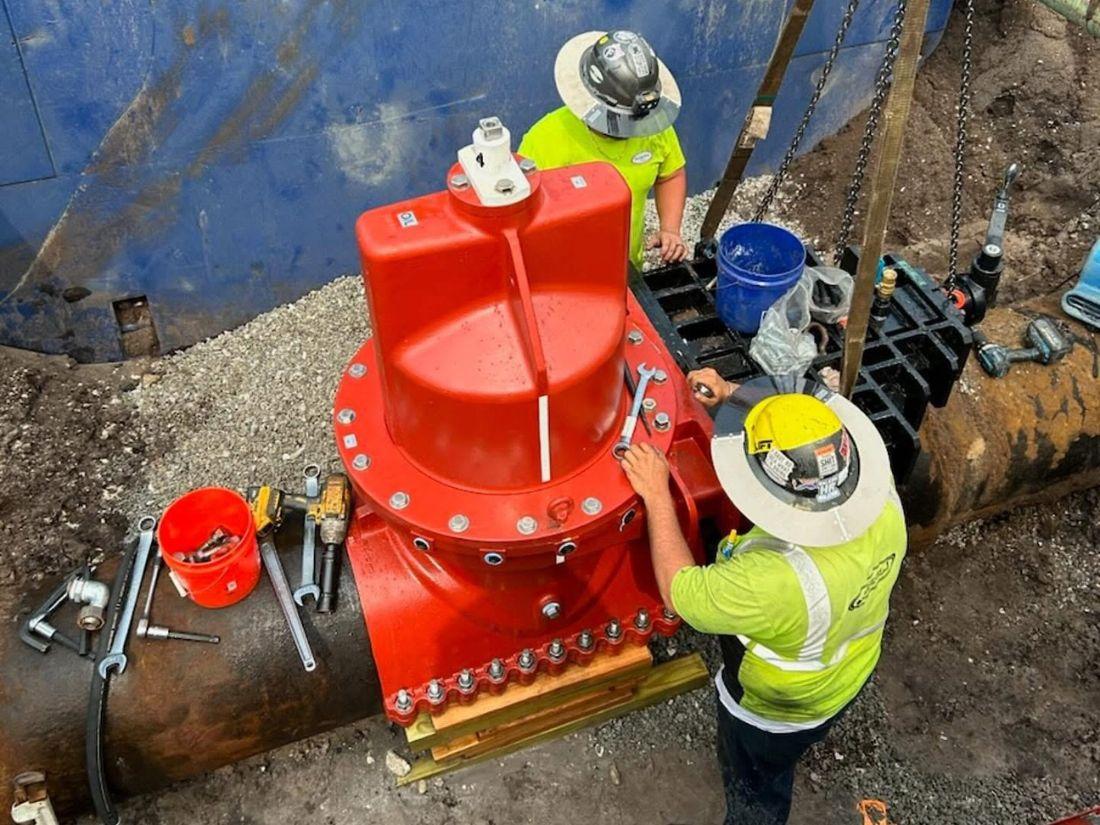
Insertion valve installation without system drain down is a specialized service that requires experienced personnel, appropriate equipment, and a strong safety culture. Asset owners should fully evaluate a valve insertion contractor, specifically their history with live pipeline projects, including project scale, pressure ranges, and pipe materials handled. Clear communication, detailed planning, and comprehensive post-installation documentation are equally important, as they directly affect long-term reliability and operational confidence.