

Request Quote
Maintaining a pipeline network is a critical task for any operation relying on the uninterrupted flow of liquid or gaseous materials. However, when a section of this network requires repair, replacement, or the addition of a control point, the primary challenge is to perform the work with minimal disruption. Every minute of downtime can translate to significant costs and service interruptions.
Fortunately, there are two leading solutions for this challenge, which are bypass piping and insertion valves. Each offers a distinct approach to managing pipeline flow during maintenance. Understanding the differences between insertion valve solutions and bypass alternatives is key to making the most efficient and cost-effective decision for your system.
Bypass piping is a temporary arrangement that reroutes the flow of a pipeline around a specific work area. It’s essentially just a detour for your system. This process involves isolating a section of the main pipe and installing a parallel line that connects the active parts of the system upstream and downstream of the repair site. Once the bypass is active, the isolated section can be safely depressurized, drained, and worked on without stopping the overall system flow.
This method is commonly used in water distribution, natural gas transport, and various industrial settings. Setting up a bypass requires significant equipment, including pipes of a suitable diameter, pumps to maintain pressure if needed, and fittings to connect to the main line. The complexity and scale of the bypass can vary greatly, depending on the pipeline’s size, pressure, and the duration of the maintenance work.
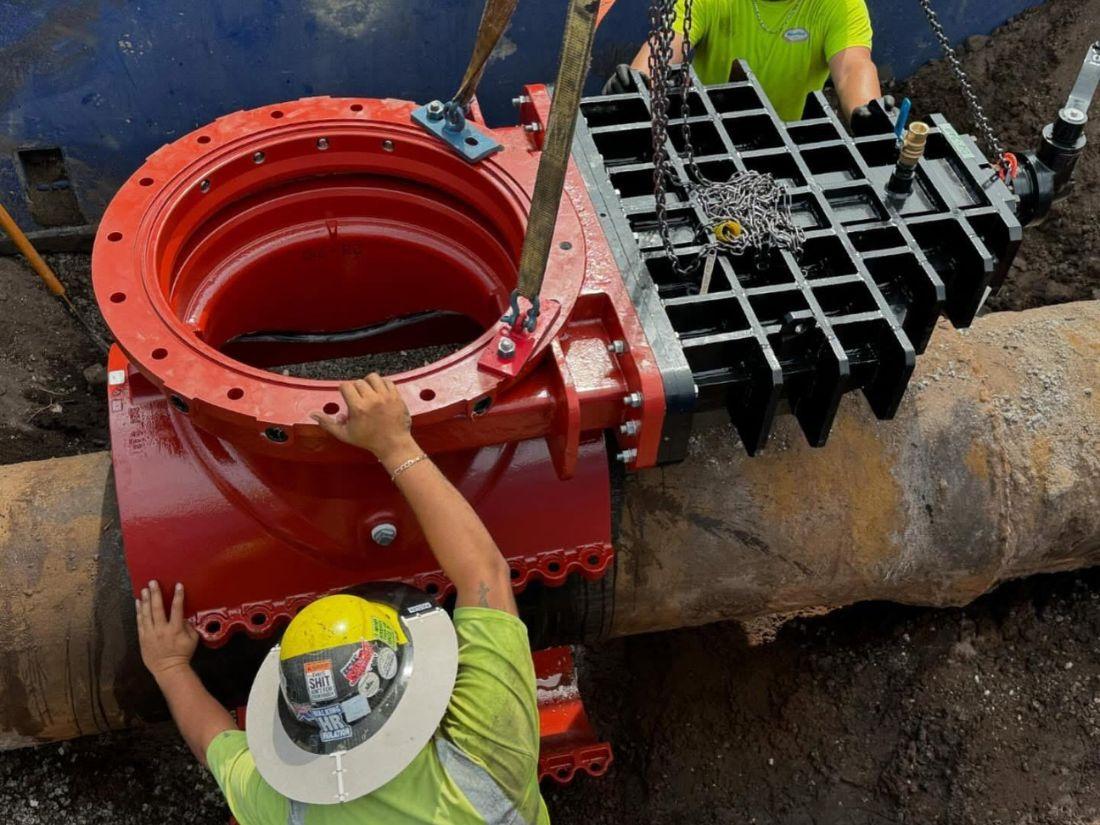
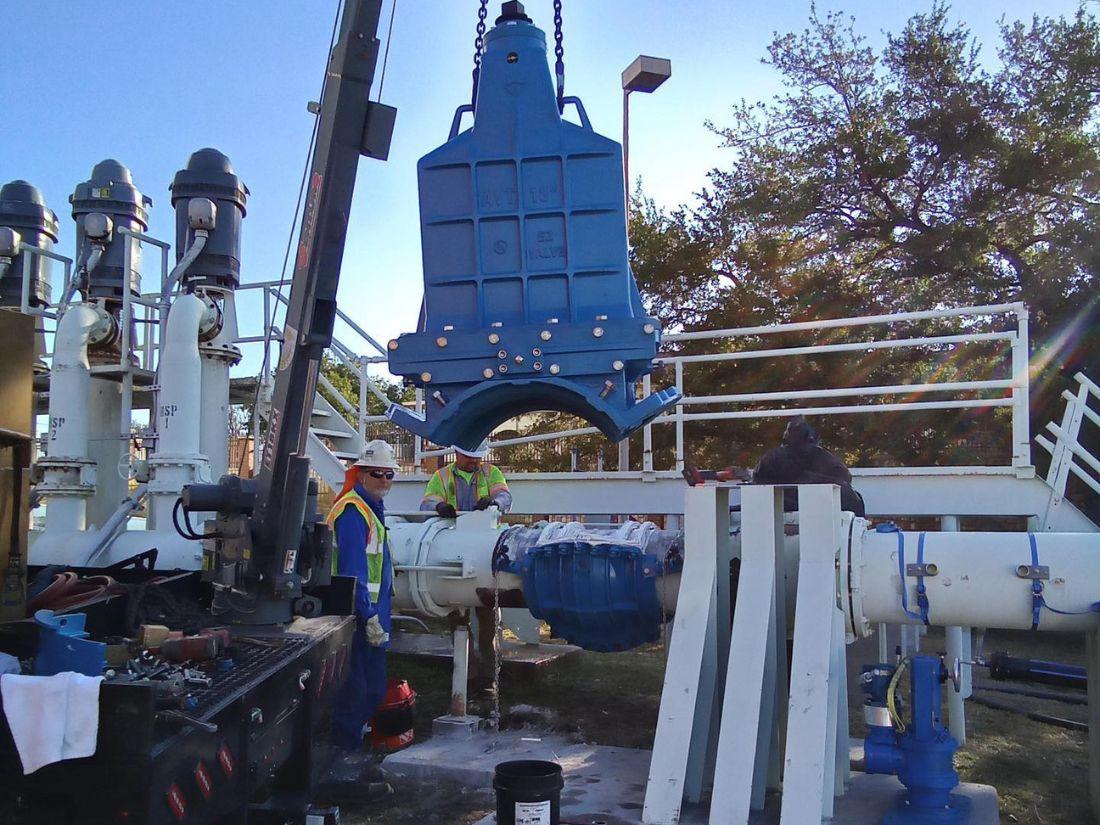
An insertion valve is a permanent valve installed directly into an active pipeline without shutting down the system. The process, often called “hot tapping,” involves drilling a hole into the live pipe while it remains under pressure. A specialized machine ensures a secure, leak-proof connection throughout the installation. Once the tap is complete, teams insert and seal the valve mechanism, creating a new, fully functional control point within the existing line.
This technology is widely used in municipal water systems and industrial applications where adding flow control is necessary without causing a service outage. Insertion valves provide a long-term solution for segmenting a pipeline network, allowing for easier future maintenance and improved system management. The installation relies on highly specialized tools and trained technicians to ensure the safe and secure execution of the process.
While both processes lead to a similar end goal, it’s vital to examine the fundamental differences between these options. This section breaks down the key factors that set bypass piping alternatives and insertion valve solutions apart.
The installation process for bypass piping is often labor-intensive and can take a considerable amount of time. It involves significant excavation to expose the pipeline, followed by the assembly of the temporary bypass line. In contrast, installing an insertion valve is typically a faster and more streamlined procedure. It requires less excavation—only enough to access the single point of installation—and most teams can complete the hot tapping process in a matter of hours.
When considering costs, it’s helpful to separate upfront expenses from long-term value. Bypass piping can have high initial costs related to the extensive labor needed and potential de-watering and re-chlorination expenses for water lines. Insertion valves may also have a higher upfront cost for the valve itself and the specialized installation service. However, because an insertion valve becomes a permanent asset in the pipeline, it adds long-term value by creating a new control point, potentially reducing the cost and complexity of future maintenance activities.
Both methods are designed to maintain service continuity, but their impact can differ. A bypass system, once operational, allows for uninterrupted service while repairing the main line. However, the initial setup and removal can sometimes involve brief, planned interruptions. Insertion valve installation is designed to be completely free of service disruption. The hot tapping process ensures the system remains fully operational from start to finish, making it a truly “zero-shutdown” solution.
Bypass piping is highly flexible and can be scaled to accommodate almost any pipe diameter or pressure. Teams can easily adapt it for long sections of pipe that need replacement. Insertion valves are also available for a wide range of pipe sizes and types, but their application is more localized. They are designed to add a single point of control rather than to isolate a long, continuous stretch of pipeline.
The environmental footprint of each method is another important consideration. Bypass piping often requires significant excavation, which can disrupt the surrounding environment. For water lines, the process of draining the isolated pipe section can lead to treated water loss. Insertion valve installation involves minimal excavation, reducing its physical impact. Plus, since the pipeline never drains, there is no water loss, making it a more environmentally friendly option from a water conservation standpoint.

Something to remember is that the field of pipeline maintenance is continually evolving, with innovations aimed at increasing efficiency and safety. In bypass solutions, advancements include more modular and quicker-to-assemble piping systems. For insertion valves, “smart” valve technology is an emerging trend that enables remote monitoring and operation and integrates seamlessly with modern asset management systems.
Both fields are also seeing a push towards more sustainable practices. This includes developing techniques that reduce emissions, minimize water loss, and minimize the overall environmental disruption caused by maintenance activities. As technology progresses, we may even see hybrid approaches that combine the benefits of both methods, offering tailored solutions that are more efficient and less intrusive than ever before.
Due to these differences, the right choice depends entirely on the specific needs of the project. For example, bypass piping is often the better option for large-scale projects. If you need to replace a long section of a pipeline or perform extensive repairs that will take a significant amount of time, a bypass provides a reliable, temporary flow path. It is also well-suited for high-capacity pipelines that require rerouting a large volume of fluid. In open, rural areas with plenty of space for excavation and equipment, setting up a bypass is often more feasible.
On the other hand, insertion valves excel in situations requiring quick, localized control. If the goal is to add a permanent valve to an existing line for future isolation, an insertion valve is the ideal solution. This is particularly valuable in dense urban environments or confined industrial spaces where large-scale excavation is impractical or disruptive. By adding a permanent control point, you enhance the long-term manageability of your entire pipeline system.