

Request Quote
Pipeline coat removal requires a careful approach because the work directly affects the condition of the steel beneath each protective layer. An old coat may appear stable from the outside even when deterioration has developed underneath the surface. Proper removal exposes the true pipe condition without creating additional damage that could complicate the next phase of work.
Every pipeline presents different conditions based on its service history and exposure over time. A removal method must respond to those conditions rather than rely on the same approach across every section. Crews that evaluate the pipe before work starts can make better decisions once equipment contacts the protective surface.
The process also requires patience because rapid removal does not always produce the best final surface. Excess force can affect steel condition and create extra work before applying a new protective coat. The best practices for pipeline coating removal give crews greater authority over each pass and help preserve the integrity of valuable pipeline infrastructure.
Crews should examine the pipeline closely before removal begins because its visible condition can reveal how the existing coat may respond. Areas where the coat has already separated may require a different approach from sections where strong adhesion remains. This assessment creates a clearer path for controlled work.
Previous maintenance can also affect how a pipeline responds during coat removal. Older repairs may have changed the surface beneath the existing material and can require greater care once that area becomes exposed. Project records can provide useful context before equipment reaches these sections.
The existing coat should influence the removal method because each protective material responds differently when crews apply force. Some materials release from the steel with moderate contact, whereas stronger adhesion may require a more deliberate approach. Correct identification helps prevent unnecessary pressure.
Pipeline age can make this assessment more complex when several generations of protective material exist across one section. A newer outer coat may conceal an older material that reacts differently once removal reaches its surface. Crews can adjust their approach as these differences become visible.
The right equipment should remove the protective coat without placing excessive stress on the steel underneath. Operators need enough control to respond when coat resistance changes across the surface. Equipment that allows precise adjustment can help preserve the pipe as work progresses.
Tool condition also affects how much control an operator has during each pass. Worn equipment may contact the surface unevenly and produce results that differ across otherwise similar pipe sections. Regular equipment care supports a more predictable removal process from start to finish.
A well-prepared work area allows crews to focus on the pipe without unnecessary interference from surrounding site activity. Clear boundaries can keep unrelated personnel away from equipment during active removal work. This separation also gives operators more room to control their tools.
Communication becomes especially important when equipment noise affects normal conversation across the site. Every crew member should understand how to respond when unexpected surface conditions appear during removal. Fast communication can stop equipment before a small concern develops into pipe damage.
Operators should avoid excess force because the objective is to remove the protective material rather than alter the steel beneath it. A resistant section may require another controlled pass instead of an immediate increase in equipment pressure. This patient approach can preserve surface integrity.
Working with a professional pipeline services company is the best solution to maintain precise control throughout complex coat removal work. Experienced crews understand how a pipe responds as old protective material separates from its surface. Their expertise supports accurate removal without unnecessary stress on valuable steel.
Old coat material can accumulate near the pipe as removal continues across a large section. Excess debris can hide portions of the exposed surface and make accurate inspection more difficult. Crews should maintain a clear work area throughout the process.
Removed material also needs careful control once it leaves the pipeline surface. Keeping the work zone clear allows crews to focus on the exposed steel rather than work around accumulated coat fragments. This approach supports better visibility as each section becomes ready for inspection.
Surface inspection should continue throughout the removal process rather than occur only after crews complete an entire pipe section. Newly exposed steel may reveal deterioration that remained hidden beneath the protective coat. Early detection allows the project team to respond before work advances.
Crews should also watch for small areas where old material remains attached to the pipe. A focused second pass can address those areas without exposing the rest of the surface to unnecessary equipment contact. This method keeps removal precise and protects completed sections.
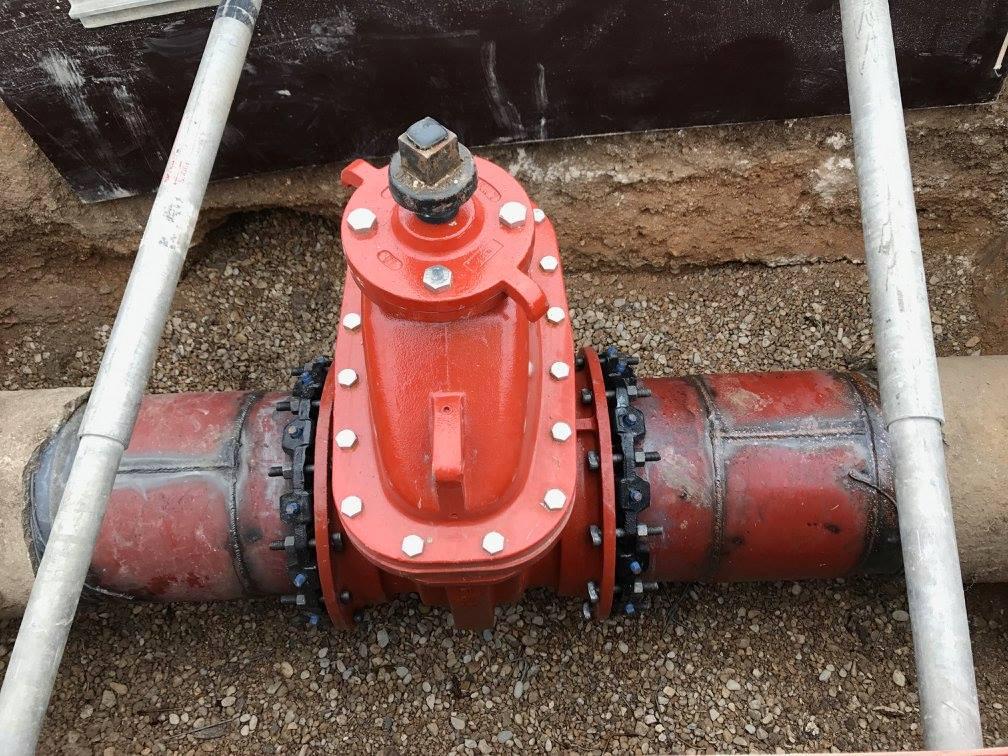
Welds create surface changes that require more precise equipment control during coat removal. A method that works across smooth pipe may become too aggressive when it reaches a raised weld profile. Operators should adapt their approach before contact occurs.
Careful work around each weld also supports a more accurate inspection once the protective material has disappeared. Inspectors need clear access to the exposed area before they can evaluate its condition. Proper removal allows that assessment without adding new surface damage.
Once crews remove the old coat, the exposed steel requires careful attention before the next project phase begins. The surface must remain suitable for further preparation and eventual coat application. Poor control during this period can reduce the value of earlier removal work.
Project timing becomes important because exposed steel can respond quickly to moisture in the surrounding environment. Crews should coordinate the transition between removal and later surface work to protect the condition they have achieved. Efficient coordination can reduce the need for repeat preparation.
Final inspection gives the project team an opportunity to confirm that removal produced the required surface condition. Inspectors can examine the exposed pipe closely and determine whether additional attention remains necessary. No section should advance before its condition meets project requirements.
Documentation should reflect what crews found once the old protective coat left the pipe. A clear record can provide valuable context when future maintenance work occurs on the same pipeline. Accurate information also confirms that the removal phase received proper review before approval.
Pipeline coat removal steps require precision because every pass can affect the condition of the steel underneath. A careful process gives crews enough control to remove old protective material without creating unnecessary surface damage. Proper preparation also makes it easier to respond when unexpected pipe conditions become visible.
Professional expertise can make a meaningful difference when a pipeline presents complex coat conditions or sensitive surface areas. Experienced crews can adapt their methods as the pipe changes and maintain control throughout the removal process. With careful execution, the exposed steel can provide a reliable foundation for the next protective coat.