

Request Quote
Water systems don’t always give crews the shutdown window they’d prefer. When a main needs repair or control, operators may still have to keep service moving through the surrounding network. Insertion valves make this possible by giving crews a way to add a permanent control point to an active line.
That changes the way a utility can approach flow control. Instead of relying only on existing valves, crews can isolate and area closer to the work area. The result is a more manageable repair zone, which causes less disruption for customers and allows for better control over future maintenance. To better understand this concept, let’s dive into the basics of insertion valves and how they improve flow control and line isolation.
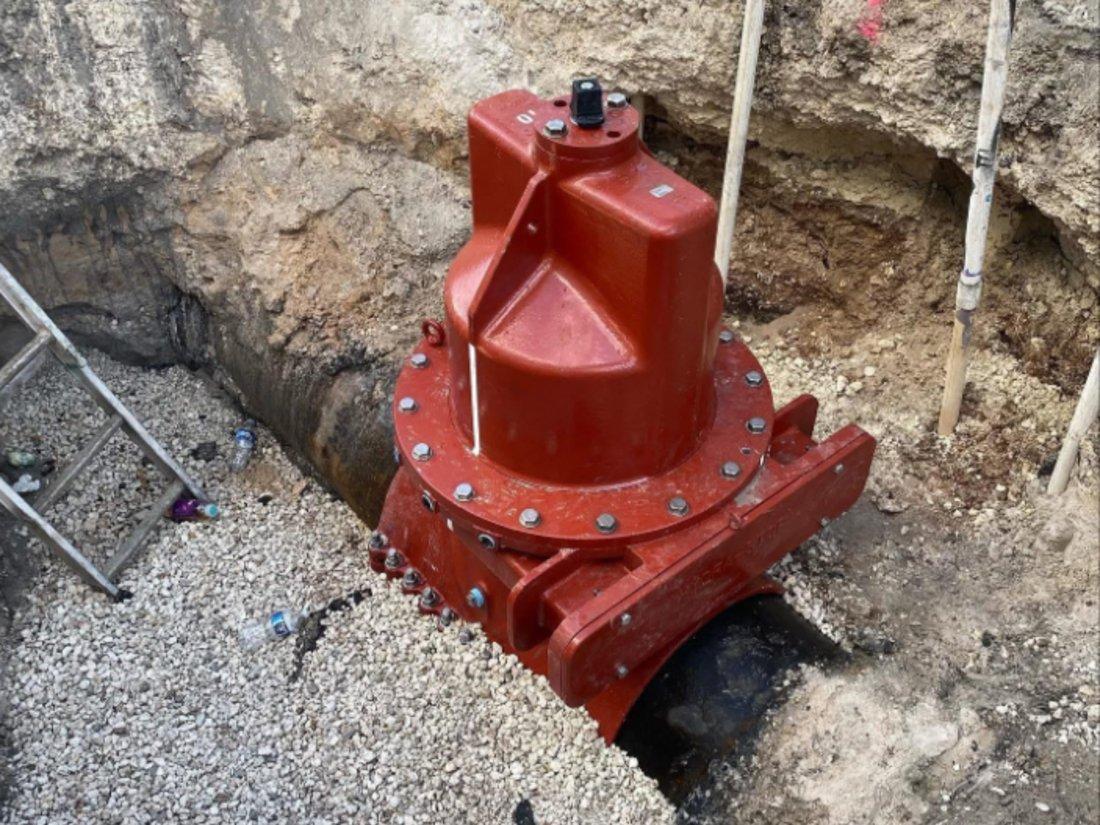
An insertion valve provides operators with a new shutoff point in a pipe that’s already in service. Crews install it through a controlled tapping process, so the line doesn’t need to be fully taken out of operation before the valve goes in.
Once installed, the valve becomes part of the system. Operators can close it during a repair, use it to manage flow, or rely on it during future maintenance. That makes the valve more than a short-term fix.
This matters most when a system lacks control where crews need it. Older mains may have wide spacing between valves. Some valves may no longer seal properly after years underground. In such situations, insertion valves give crews a practical way to regain control without redesigning the entire system.
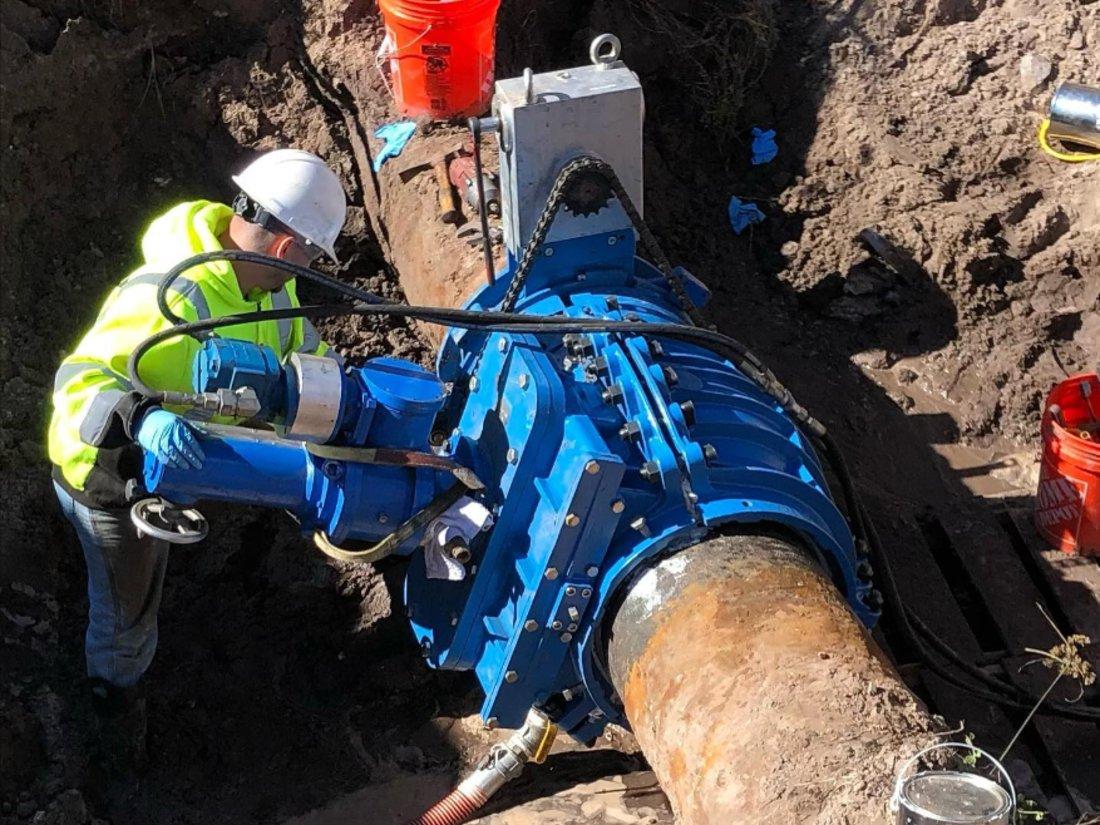
Flow control starts with access to the right control point. If the nearest working valve sits too far from the repair, the shutdown area grows. That can turn a small repair into a much larger service interruption.
Insertion valves help narrow that impact. By placing a valve closer to the work zone, operators can manage a smaller section of pipe. That gives crews a better way to control pressure before they begin cutting into the line.
Good valve placement also supports safer work. Crews need stable conditions before they open a main. When they can reduce flow near the repair, they have a better chance of keeping the job controlled from start to finish.
Line isolation separates one section of pipe from the rest of the system. Traditional isolation relies on valves that already exist. When those valves are too far away, crews may have to shut down a larger portion of the system than the repair actually requires.
Insertion valves solve that problem by creating a new isolation point where the system needs one. This helps operators keep more customers in service while crews work on the affected section. It can also reduce the strain that comes with restoring a larger shutdown area.
For critical mains, that control can make a major difference. A full shutdown may require coordination with customers well in advance. It can also affect facilities that depend on steady water service. With an insertion valve, utilities gain another option before committing to a wider outage.
A valve insertion project begins with planning. Crews review the pipe material, confirm the main size, and evaluate pressure conditions before choosing the installation approach. That early work helps the crew understand what the line can handle during the tap.
The installation team then places a fitting around the pipe. This fitting creates a sealed work area, which allows the crew to tap the main while it remains active. The seal is important because it maintains control of the process as teams open up the pipe wall.
After the tap is complete, the valve moves into position. The crew seats the valve in the line, verifies its operation, and confirms it can close properly. Each step depends on careful alignment, since the valve must function as a permanent part of the system.
Professional valve insertion services help utilities manage this process with the right equipment and field experience. Live-line work leaves little room for guesswork. Crews need to understand pressure behavior, pipe condition, and installation limits before the valve ever enters the main.
Pipe condition plays a major role in the installation of the insertion valve. A valve can only perform as intended if the pipe can support the fitting and maintain a reliable seal. That’s why crews review the surface of the pipe before installation begins.
Older pipes often need closer evaluation. Corrosion can affect sealing surfaces, and previous repairs may change how the crew approaches the work area. If the main shows signs of movement or stress, the installation plan may need additional support.
Pressure also shapes the plan. A line operating at higher pressure requires tighter control during tapping and valve placement. Crews must account for those conditions before selecting equipment or scheduling the work.
Insertion valves are most useful when a utility needs better flow control and line isolation on an existing main. That need may appear during a repair, but it could also come up during the planning process of future improvements. Either way, the valve gives operators more flexibility than they previously had.
They’re especially helpful when existing valves no longer provide dependable isolation. A valve that doesn’t close fully can leave crews fighting unwanted flow during a repair. Adding a new insertion valve gives the utility a more reliable shutoff point.
Insertion valves can also support future system work. If a utility expects more maintenance in a specific area, a new control point can make that work easier to manage. The valve remains available after the first project ends, which adds long-term value to the system.
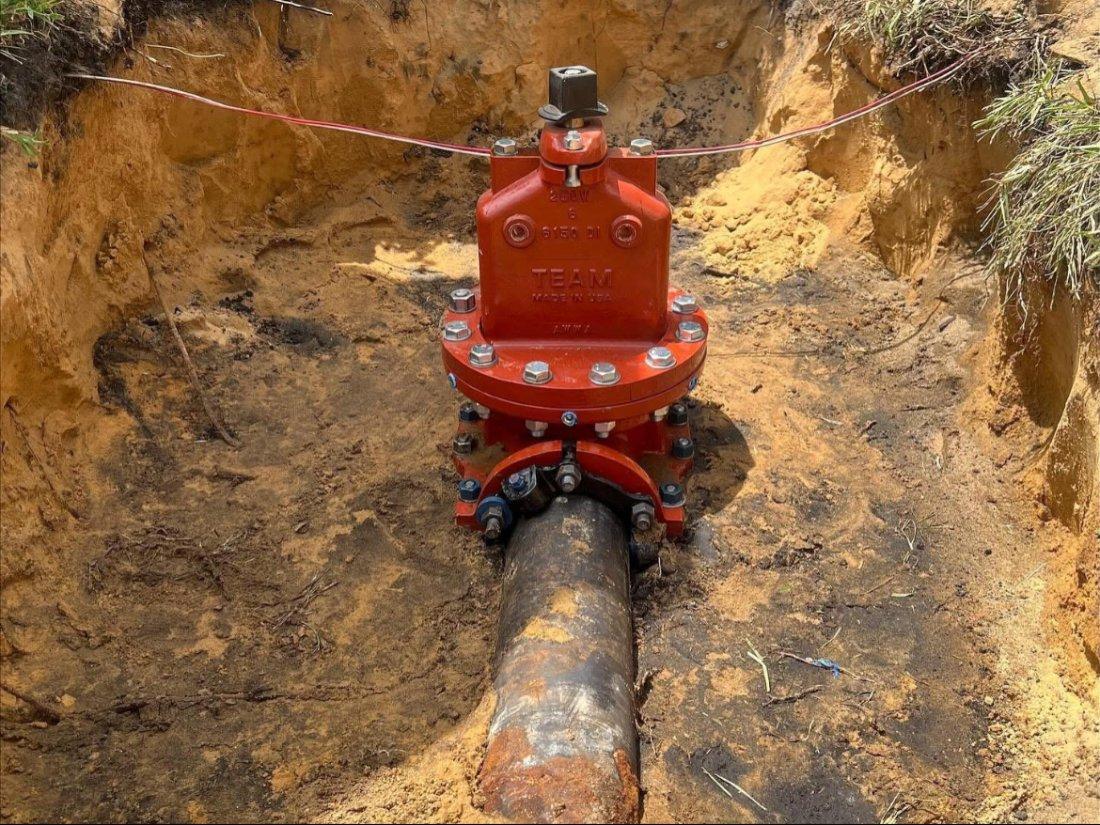
Service disruption often becomes one of the biggest concerns when working on a water main. Customers may not see the complexity behind a repair, but they notice when water service stops. Insertion valves help reduce that disruption by keeping isolation closer to the problem.
A smaller shutdown area can also simplify restoration. When crews isolate a large section, operators may need more time to bring the system back to normal. A tighter control zone can make that process more predictable.
This benefit matters during emergencies as much as it does during planned work. A break or leak can force quick decisions, especially when the system doesn’t have ideal valve coverage. With more control points in place, operators have better options when the next issue appears.
The right location depends on how the system operates. Crews need enough access to install the valve safely, and operators need the valve to support real isolation once the work is complete. A valve that sits in the wrong spot may not reduce disruption as much as expected.
Planning should also look beyond the immediate job. A valve installed for one repair may help with a future tie-in or maintenance project. When utilities think ahead, they can place the valve where it supports both the current need and long-term system control.
A strong location strategy gives the valve more value. It improves flow control now, then continues to support the system whenever crews need a dependable shutoff point in that area.