

Request Quote
Hot tapping is a process that allows businesses and municipalities to add new branch lines to active pipelines without shutting down operations. For water utilities, industrial plants, and energy infrastructure systems, shutting down a pressurized line can disrupt service, create safety risks, and result in significant financial loss.
Because of that, hot tapping has become a critical solution for system expansions, upgrades, and modifications. While trained specialists perform the work, decision-makers benefit from understanding how the process works. Familiarity with the hot tapping procedure for live pipeline connections helps organizations evaluate contractors, assess risk, and ensure the project is carried out safely and efficiently.
Before examining the step-by-step procedure, it is important to understand the core equipment involved. Each component serves a specific function in maintaining system pressure and structural integrity during the tap.
The hot tap fitting, typically a split tee or saddle, is installed directly onto the existing pipeline. This fitting reinforces the pipe at the connection point and provides a secure, engineered interface for the new branch line.
Selection depends on pipe diameter, wall thickness, material type, operating pressure, and temperature. A properly designed fitting ensures the pipeline maintains its structural integrity during the cutting process and throughout its service life.
In most applications, the fitting is welded to the pipe. Weld quality and material compatibility are critical, as this connection must withstand the same operating conditions as the original pipeline.
An isolation valve is installed on top of the fitting before any cutting begins. This valve allows technicians to control the flow once the tap is complete.
After making the live cut, the team will remove the pipe coupon, allowing them to close the valve to isolate the new branch line. This enables safe tie-ins and future maintenance without interrupting service to the primary system.
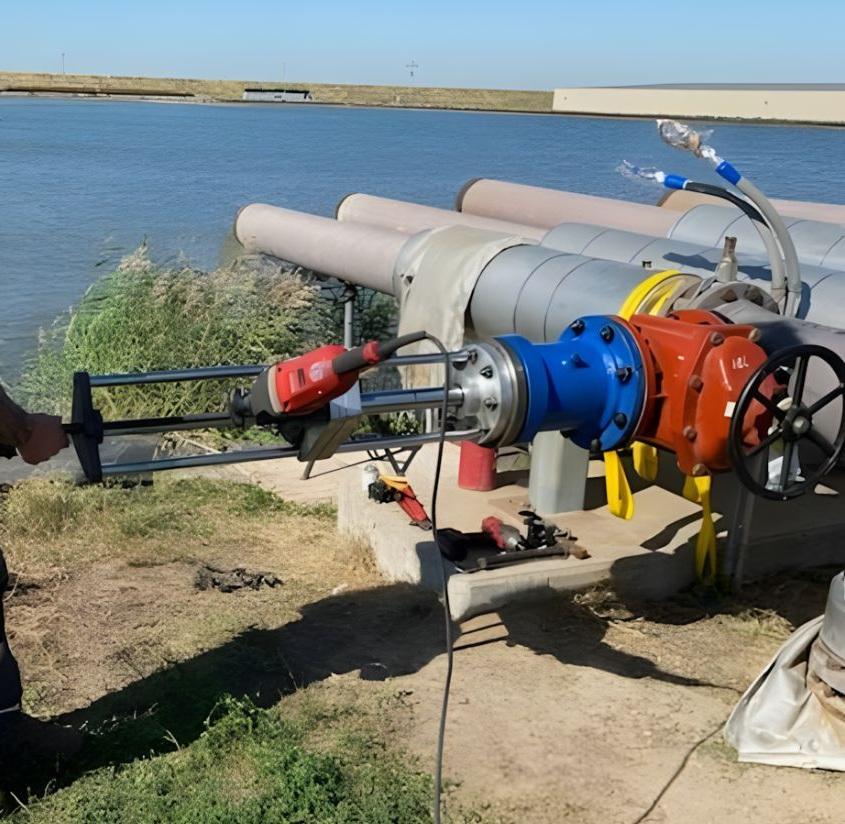
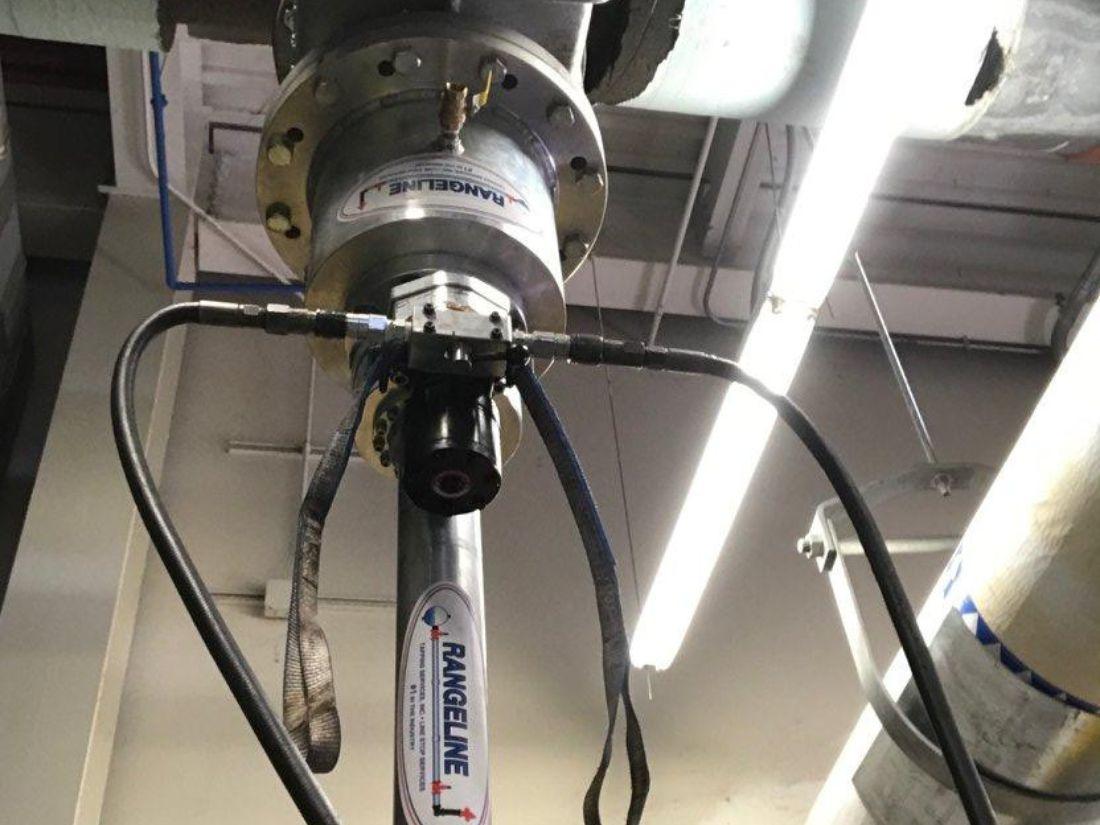
The hot tapping machine is a specialized drilling and cutting assembly used to penetrate a live pipeline. It attaches to the isolation valve and creates a pressure-tight seal during operation.
The machine advances a cutter through the valve and into the pressurized pipe, removing a section of pipe wall known as the coupon. The coupon is retained and safely withdrawn once the cut is complete, preventing debris from entering the system.
Understanding the sequence of events allows facility managers and municipal leaders to evaluate contractor proposals more effectively. While certified technicians execute the work, project owners should know what safeguards and quality controls to expect at each phase.
Every hot tapping project begins with a detailed engineering evaluation. Contractors assess pipe material, wall thickness, age, condition, and operating pressure. They also review temperature limits and flow characteristics.
This analysis confirms whether the pipeline can safely accommodate a hot tap. Structural integrity calculations and feasibility assessments help prevent failures during cutting and ensure compliance with industry standards.
Once feasibility is confirmed, the exterior of the pipe is cleaned and prepared. Surface preparation ensures proper weld quality and reliable attachment of the fitting.
The split tee or saddle is then welded or mechanically secured to the pipeline. In welded applications, the team must follow standard welding procedures and conduct non-destructive testing to verify weld integrity. This step establishes the structural foundation for the live connection.
After securing the fitting, the team needs to mount the isolation valve. Proper alignment and torque specifications are critical to ensure a pressure-tight assembly.
Before cutting begins, professionals need to perform a pressure test to verify that all connections are secure. Confirming system integrity at this stage reduces the risk of leaks or complications during the live cut.
Next, the hot tapping machine is attached to the isolation valve, creating a sealed environment capable of withstanding full system pressure. Technicians verify alignment, sealing surfaces, and equipment calibration before advancing the cutter.
The cutter is then slowly advanced into the live pipeline. Because the system remains pressurized and operational, constant monitoring of pressure and temperature conditions is essential. The machine removes the pipe coupon in a controlled manner, retaining it within the cutting assembly.
After completing the cut, teams will retract the cutter back into the machine housing. The isolation valve is then closed, securing the new branch connection from the active pipeline.
Once the valve is confirmed closed and sealed, teams will then remove the hot tapping machine. They can then connect, extend, or integrate the new branch line into the broader system as required.
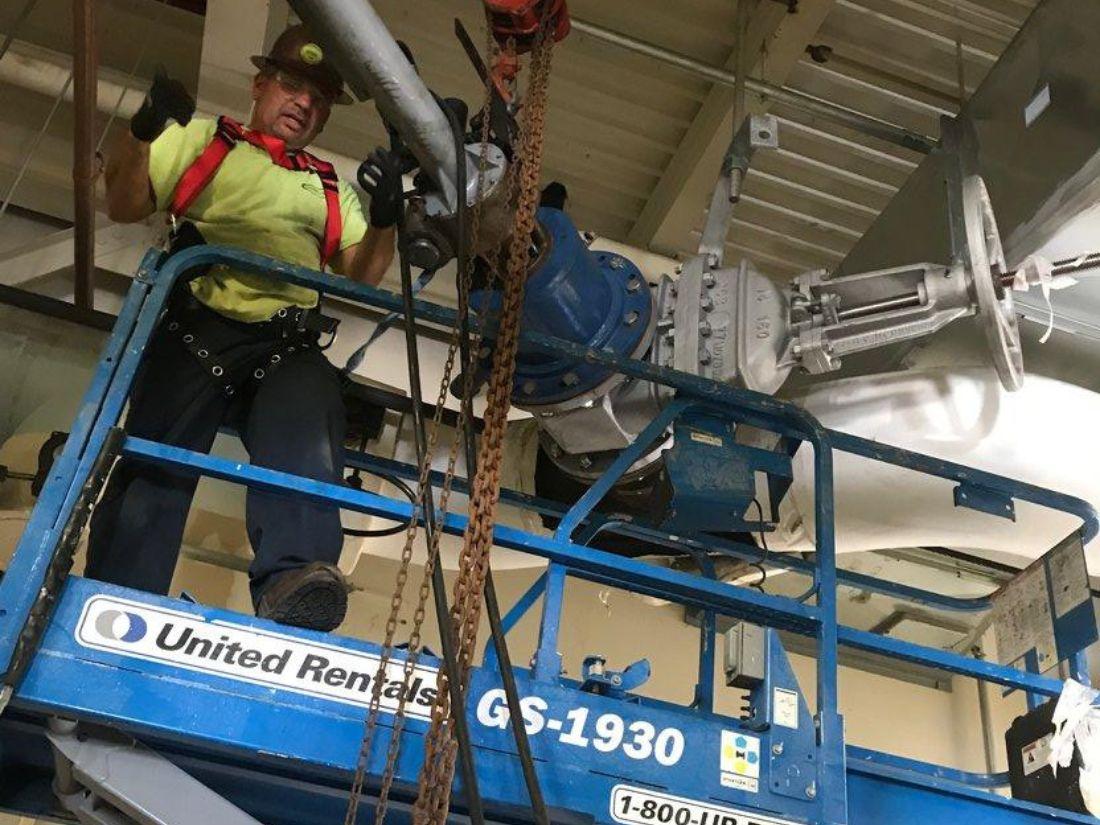
In many cases, the hot tapping procedure for live pipeline connections involves working on pressurized systems that may contain potable water, wastewater, gas, or industrial fluids. That means the margin for error is small, which makes contractor experience and safety protocols critical considerations.
Continuous monitoring of operating conditions is essential during the cutting process. Contractors must verify that pressure and temperature remain within safe design limits throughout the procedure. Unexpected fluctuations can increase risk, so coordination with facility or municipal operations teams is often required to maintain stable conditions.
Improper welding can weaken the pipe wall or cause burn-through, especially on thinner or older pipelines. Qualified welding procedures and certified welders are necessary to prevent structural damage. It’s important to verify the material compatibility between the fitting and the existing pipeline as well to avoid corrosion or metallurgical issues over time.
Professional hot tapping providers develop detailed contingency plans before work begins. This includes leak response procedures, emergency shutdown coordination, and communication protocols with on-site personnel. Clients should expect documented safety planning and evidence of compliance with applicable industry standards.
The process does not end once the valve is closed. Verifying the integrity of the new connection is essential for long-term reliability. It’s crucial to inspect welds and fittings in accordance with applicable codes, on top of confirming seal integrity and validating the new branch connection under operating conditions.
Reputable contractors provide documentation detailing engineering calculations, inspection results, and testing procedures. For municipalities and facility operators, this documentation supports regulatory compliance and internal asset management requirements.
Selecting qualified hot tapping contractors involves more than comparing costs. The complexity of live pipeline work requires technical expertise, engineering support, and a strong safety record.
Organizations should look for demonstrated experience with similar pipeline materials, diameters, and operating pressures. Certified technicians, documented safety performance, and adherence to recognized industry standards are critical indicators of reliability.
Engineering capability is equally important. A provider should be able to conduct feasibility assessments, supply engineered fittings, and produce detailed documentation. Clear communication throughout planning and execution ensures alignment with operational priorities and minimizes risk.
Understanding this procedure provides valuable context when evaluating proposals. With the right contractor and a structured approach, live pipeline connections can be completed safely and efficiently, without interrupting essential services.