

Request Quote
Maintaining pipeline infrastructure presents significant challenges for both industrial and municipal systems. Over time, pipelines degrade due to corrosion, pressure fluctuations, and environmental stress, leading to potential failures that can be costly and hazardous. Extending the lifespan of this critical infrastructure is paramount for ensuring long-term cost savings, operational safety, and environmental sustainability.
One of the most effective methods for achieving this is through a process known as wet tapping. This technique makes it easier to perform necessary maintenance, repairs, and modifications on active pipelines without interrupting service, making it an indispensable solution for modern infrastructure management. If you’d like to learn more about how wet tapping extends the life of a pipeline, this guide will walk you through the basics.
Wet tapping, also referred to as hot tapping, is a sophisticated method for creating a new branch connection to an existing pipeline while it remains in service and under pressure. This process is executed with precision to maintain the integrity of the pipeline throughout the operation. Its non-disruptive nature is a key advantage, allowing for essential modifications without the costly and inconvenient need to shut down the entire system.
The wet tapping process is methodical and requires a high level of expertise. Here’s how it typically unfolds:

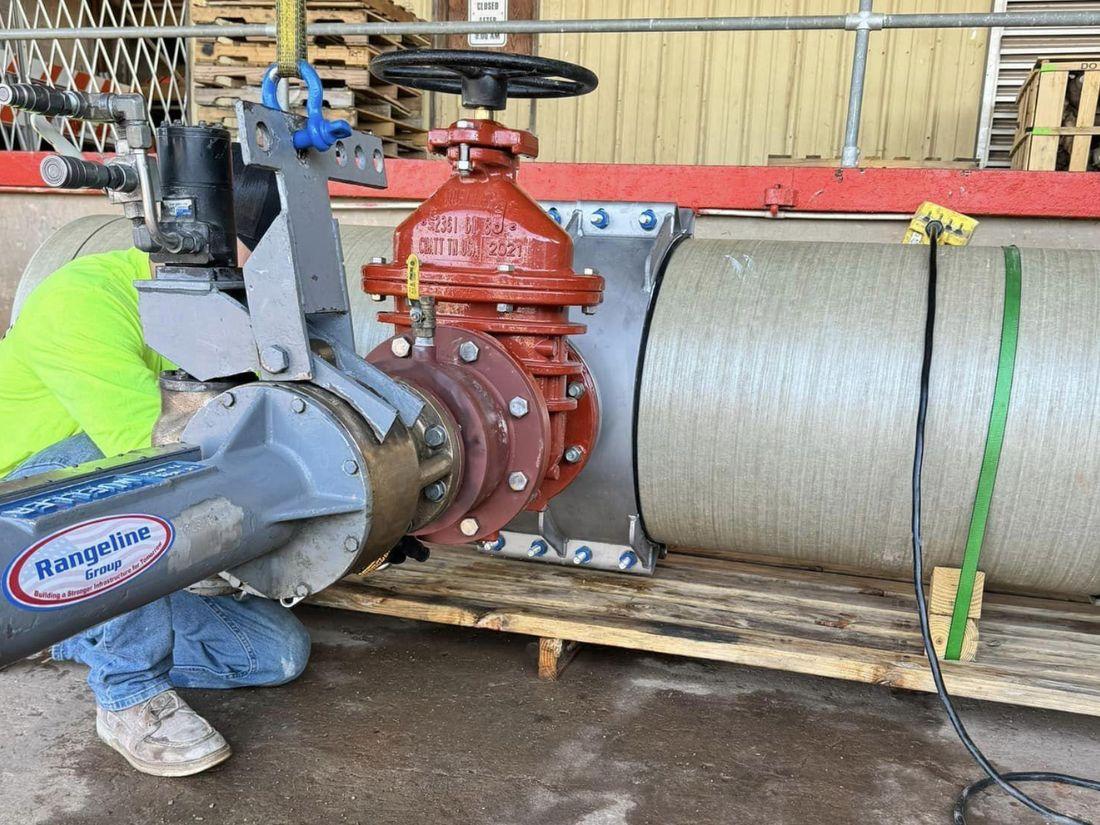
Wet tapping relies on highly specialized equipment designed for safety and precision. The hot tapping machine is the central piece of equipment, engineered to handle high pressures and various pipe materials. Different types of cutters are used depending on the diameter of the tap and the material of the pipe. Additionally, pressure control fittings and temporary valve assemblies are essential for ensuring a safe and leak-free operation.
Given the complexity and inherent risks of cutting into a pressurized pipeline, wet tapping is a job exclusively for trained and experienced professionals. Technicians must have a deep understanding of fluid dynamics, material science, and the mechanical stresses involved.
They also have the training needed to handle unexpected situations and adhere to strict safety protocols to prevent accidents. Attempting this procedure without the proper expertise and equipment can lead to catastrophic failures, including leaks, explosions, and significant environmental damage. If you need to wet tap a water line, Rangeline is here to help.
By enabling modifications on live systems, wet tapping can effectively extend the lifespan of a pipeline system. Its application directly contributes to the longevity and reliability of pipeline networks in several key ways.
Pipelines are not static; their operational needs change over time. Wet tapping enables proactive maintenance and upgrades, allowing operators to address potential issues before they escalate.
Whether it’s adding new sensor points for monitoring, installing bypass lines to facilitate future repairs, or adding new service connections, wet tapping enables these improvements without disrupting operations. This proactive approach helps maintain the pipeline in optimal condition, preventing the kind of degradation that leads to premature failure.
A significant portion of pipeline failures occur due to leaks, often originating from weak points or corroded sections. Wet tapping allows for the precise installation of new fittings and connections that are engineered to modern standards.
When performed correctly, the process creates a strong, durable connection that minimizes the risk of future leaks. By reinforcing the pipeline structure at connection points, wet tapping enhances the overall integrity of the network and reduces the likelihood of costly, environmentally damaging failures.
The traditional method of pipeline modification requires a complete system shutdown. The process of depressurizing, draining, cutting, welding, and then repressurizing the system places significant cyclical stress on the entire pipeline. These pressure cycles can accelerate material fatigue and weaken joints and fittings over time, increasing the risk of failure.
Wet tapping eliminates this entire cycle. By keeping the pipeline under steady pressure, it avoids the wear and tear associated with shutdowns and restarts, thereby preserving the pipe’s structural integrity and extending its service life.

Focusing on strategies like wet tapping to extend the life of pipelines yields substantial benefits that go beyond simple maintenance. These advantages impact an organization’s finances, efficiency, safety, and environmental footprint.
The most immediate benefit of extending a pipeline’s lifespan is significant cost savings. Replacing a major pipeline is an enormously expensive undertaking, involving material costs, extensive labor, and significant logistical challenges.
By using wet tapping for proactive maintenance and upgrades, companies can defer the need for these capital-intensive replacement projects. Furthermore, by preventing leaks and failures, organizations avoid the high costs associated with emergency repairs, cleanup, and potential regulatory fines.
A well-maintained pipeline is a reliable pipeline. For industries that depend on the continuous flow of resources, operational disruptions can halt production and result in substantial revenue losses.
Wet tapping ensures that necessary modifications do not interrupt service, allowing for consistent and predictable performance. A longer pipeline lifespan means fewer unplanned outages and a more efficient, dependable supply chain.
Extending the life of existing pipelines has a positive environmental impact. The manufacturing and installation of new pipelines are resource-intensive processes that consume large amounts of steel, energy, and water.
By maximizing the use of existing infrastructure, we reduce the demand for new materials and minimize the environmental disruption associated with large-scale construction projects. Additionally, by preventing leaks, a well-maintained pipeline helps protect surrounding ecosystems from contamination.
Ultimately, the most critical benefit is improved safety. Pipeline failures can have devastating consequences for workers and the public. A pipeline that is regularly maintained and upgraded using safe, proven methods like wet tapping is inherently safer.
When you reduce the risk of leaks, ruptures, and other failures, organizations can better protect their employees, the community, and the environment. A longer-lasting, well-maintained pipeline is a testament to a commitment to safety and operational excellence.