

Request Quote
In both industrial and municipal industries, downtime is more than just a pause in operations; it represents significant financial losses and logistical challenges. Any interruption to a pipeline’s flow can halt production, disrupt supply chains, and incur substantial costs.
This is where hot tapping presents itself as an essential solution. By allowing for maintenance, repairs, and modifications without shutting down the system, this innovative technique ensures operational continuity. This article will explore the specific ways hot tapping minimizes costly pipeline downtime and keeps critical infrastructure running.
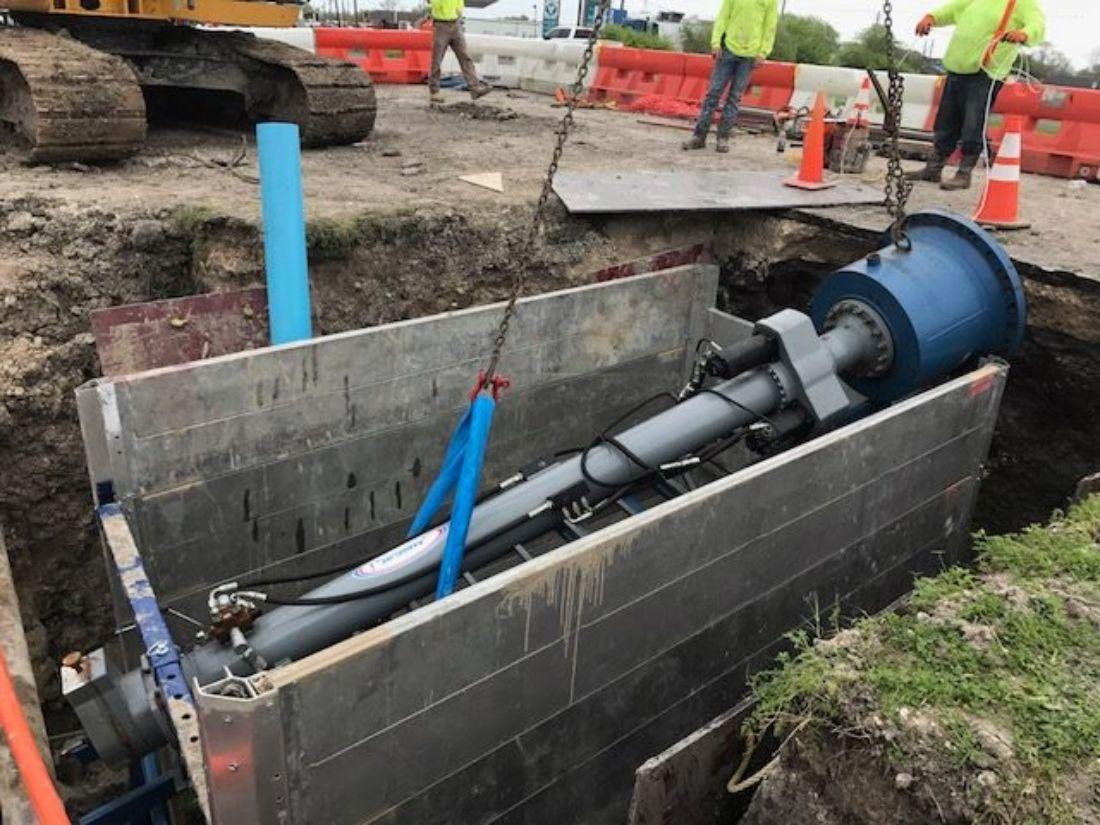
Hot tapping is a specialized method for creating a new connection in an existing pipeline while it remains in service and under pressure. The process involves attaching a fitting and a valve to the exterior of the live pipe, followed by the use of a specialized drilling machine that cuts a hole into the pipe through the valve. Once the cut, or “tap,” is complete, the team retracts the drilling machine and closes the valve. They can then use this new access point for a variety of purposes, such as adding a branch line, installing a sensor, or creating a temporary bypass.
The core advantage of this procedure is its ability to facilitate necessary work without requiring a system shutdown. Technicians can perform critical repairs or system expansions safely and efficiently, ensuring the product in the pipeline—whether oil, gas, water, or steam—continues to flow without interruption. This makes hot tapping an invaluable technique for industries where continuous operation is paramount.
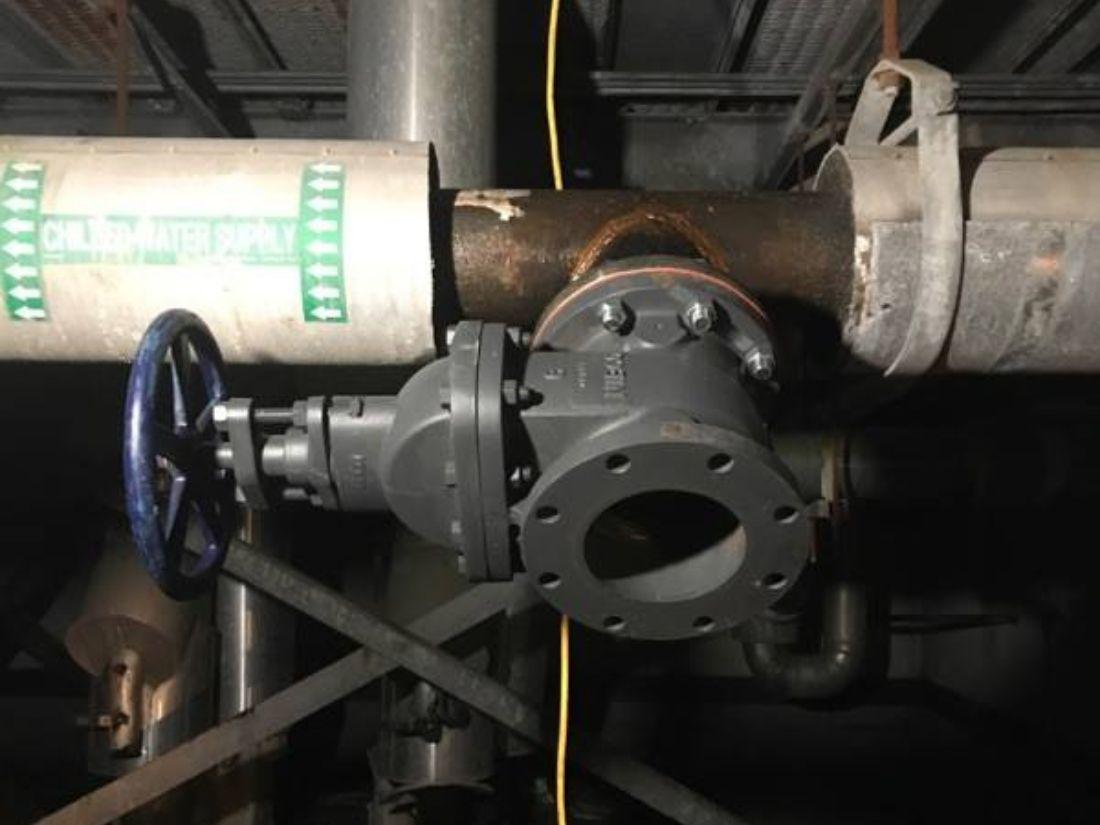
By enabling work on live pipelines, hot tapping offers a direct solution to the challenges of operational downtime. It eliminates the need for system shutdowns, which translates to preserved revenue, maintained production schedules, and enhanced safety during emergencies.
As we’ve briefly touched on, one of the most significant benefits of hot tapping is the ability to perform crucial repairs on a pipeline while it remains fully operational. Traditionally, fixing issues like minor leaks, corrosion, or damaged sections would require isolating the affected area and shutting down the entire line. This process is not only time-consuming but also results in a complete halt of product flow.
With hot tapping, technicians can install a new fitting over the compromised section and create a bypass, rerouting the product while they repair or replace the damaged portion. This ensures that operations continue uninterrupted, preventing the significant production losses associated with a full shutdown.
Expanding a pipeline network or integrating new equipment often requires creating new connections. Hot tapping allows for the seamless addition of branch lines, insertion points for instruments like gauges and sensors, or tie-ins for new facilities without stopping the main pipeline. For industries looking to scale their operations or reroute flow to new destinations, this capability is essential.
For example, a manufacturing plant might need to add a new production line that requires a steady supply from an existing pipeline. Instead of scheduling a costly shutdown to weld a new connection, they can utilize hot tapping to create the tie-in while the main line continues to supply the rest of the facility. This maintains productivity and allows for flexible, phased expansion projects.
Industries such as oil refineries, chemical plants, and power generation facilities depend on continuous production to meet demand and fulfill contractual obligations. Any unscheduled downtime can have a domino effect, disrupting intricate production schedules and impacting the entire supply chain. A single day of lost production can translate into millions of dollars in lost revenue and potential penalties for failing to meet supply commitments.
Hot tapping helps these industries maintain their rigorous schedules by allowing maintenance and upgrades to occur in parallel with normal operations. By avoiding shutdowns, companies can ensure a reliable and consistent output, thereby protecting their revenue streams and maintaining their reputation as dependable suppliers.
The financial impact of pipeline downtime extends far beyond lost production. Shutting down a system incurs a range of direct and indirect costs, including the labor required for draining, purging, and refilling the pipeline. There are also restart expenses associated with bringing the system back online, which can be substantial. Furthermore, in regulated industries, unscheduled shutdowns can lead to fines and penalties. All these costs slow things down even further.
Hot tapping effectively eliminates these issues. Since the pipeline never stops flowing, there is no need for costly shutdown and restart procedures. This direct cost-saving is a major incentive for businesses to adopt hot tapping as a standard practice for pipeline maintenance and modification. The investment in a professional hot tapping service is often significantly less than the financial losses incurred from even a brief period of downtime.
In emergency situations, such as the discovery of a critical flaw or an unexpected leak, swift action is required to prevent environmental damage or safety hazards. Hot tapping helps in these scenarios by allowing for immediate intervention without the delay and complexity of a full system shutdown.
Technicians can quickly install a valve and create a bypass to isolate the damaged section, allowing for urgent repairs while the rest of the system continues to operate safely. This rapid response capability is not just a matter of financial importance; it is a crucial element of risk management and operational safety, providing a lifeline that can prevent a minor issue from escalating into a major incident.
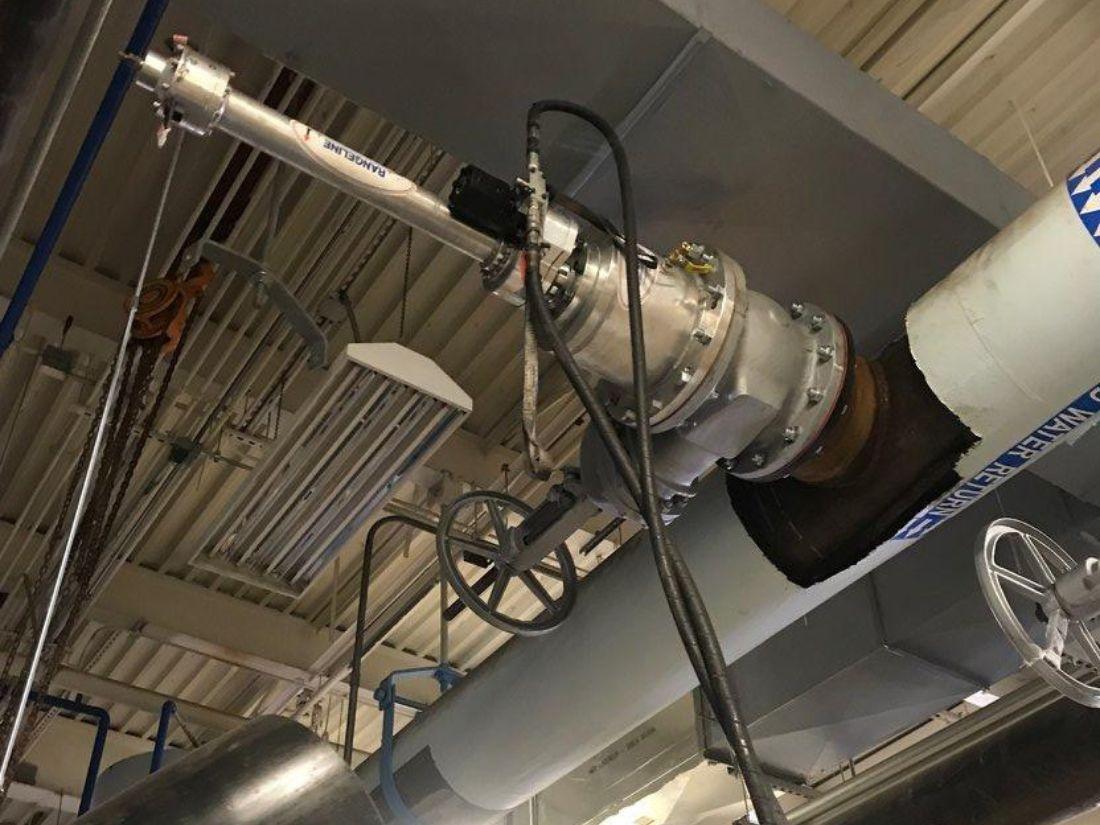
While hot tapping is a powerful technique for minimizing downtime, its success hinges on meticulous planning and expert execution. To ensure your company handles the process safely and effectively, it must consider several factors.
First, a thorough engineering review is essential to assess the pipeline’s material, pressure, temperature, and contents. This analysis determines the appropriate fittings, valves, and cutting equipment needed for the job.
Most importantly, you need highly skilled and experienced technicians to perform the procedure. Professional services can hot-tap water lines and other piping systems to bring not only the right expertise but also their own specialized, state-of-the-art equipment. Attempting this complex task without proper training and tools can lead to catastrophic failure.
Finally, strict adherence to safety protocols is non-negotiable. Following industry standards and best practices ensures the integrity of the pipeline and the safety of all personnel involved, guaranteeing a smooth operation that successfully avoids any disruption.