

Request Quote
Pipeline infrastructure forms the backbone of modern energy and resource transportation, moving everything from natural gas and oil to water and chemicals across vast distances. These critical systems deliver essential resources to power plants, manufacturing facilities, and communities nationwide, making their safe operation paramount to economic stability and public welfare.
That means when you need work done on your pipeline systems, you need a service provider that will ensure safety throughout the entire process. Here’s everything you need to know about how they achieve this.
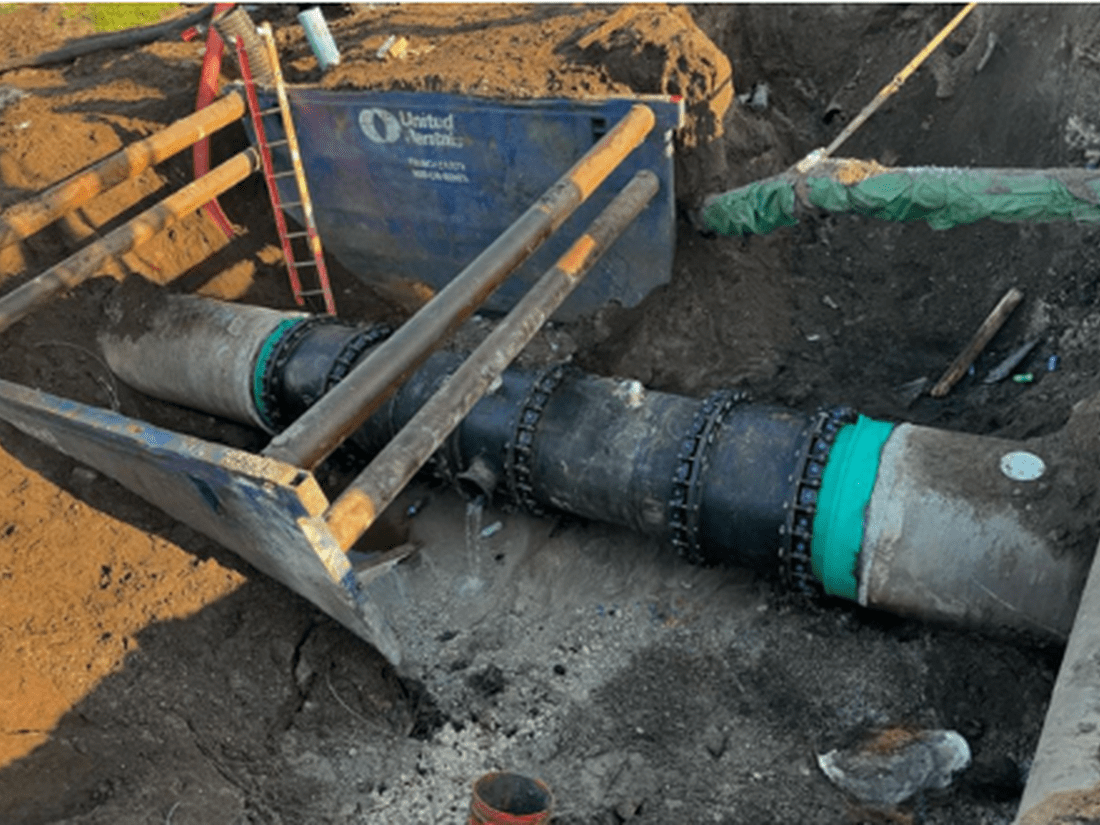
Safety is at the forefront when pipelines require repair or maintenance. Pipeline repair service providers rely on advanced materials and state-of-the-art engineering techniques to restore systems to their optimal state. Corrosion-resistant alloys, high-strength steel, and specialized coatings are key factors not only during construction but also in restoring and reinforcing existing pipelines. Computer modeling and stress analysis guide repair strategies and ensure that all work performed improves system integrity.
Strict adherence to industry standards is essential when carrying out repairs. Service providers follow minimum requirements and best practices set forth by organizations such as the American Society of Mechanical Engineers (ASME) and the American Petroleum Institute (API). These standards ensure repairs are performed safely, effectively, and with long-term reliability in mind.
Quality control in repair operations involves thorough inspection and testing. Before and after repairs, welds and fittings undergo non-destructive testing like radiography and ultrasonic examination. Hydrostatic testing validates that repaired segments can withstand intended operating pressures, while meticulous documentation provides a permanent record of repairs and interventions.
Modern pipeline operations rely heavily on sophisticated monitoring systems that provide real-time oversight of system performance. Supervisory Control and Data Acquisition (SCADA) systems continuously track pressure, flow rates, temperature, and other critical parameters across entire networks. These systems can instantly detect anomalies and trigger automated responses to prevent incidents.
Pipeline Inspection Gauges, commonly known as PIGs, represent one of the most valuable tools in the safety arsenal. Smart PIGs travel through pipelines using the product flow, equipped with sensors that detect metal loss, cracks, dents, and other integrity threats. Advanced PIGs can identify defects as small as 10% of wall thickness, enabling proactive repairs before problems become critical.
Aerial and ground surveillance programs complement internal inspection methods. Drone technology has revolutionized pipeline monitoring, allowing operators to survey right-of-way conditions, identify potential threats, and monitor repair activities near pipelines. Regular helicopter patrols and ground-based inspections ensure comprehensive coverage of pipeline routes.
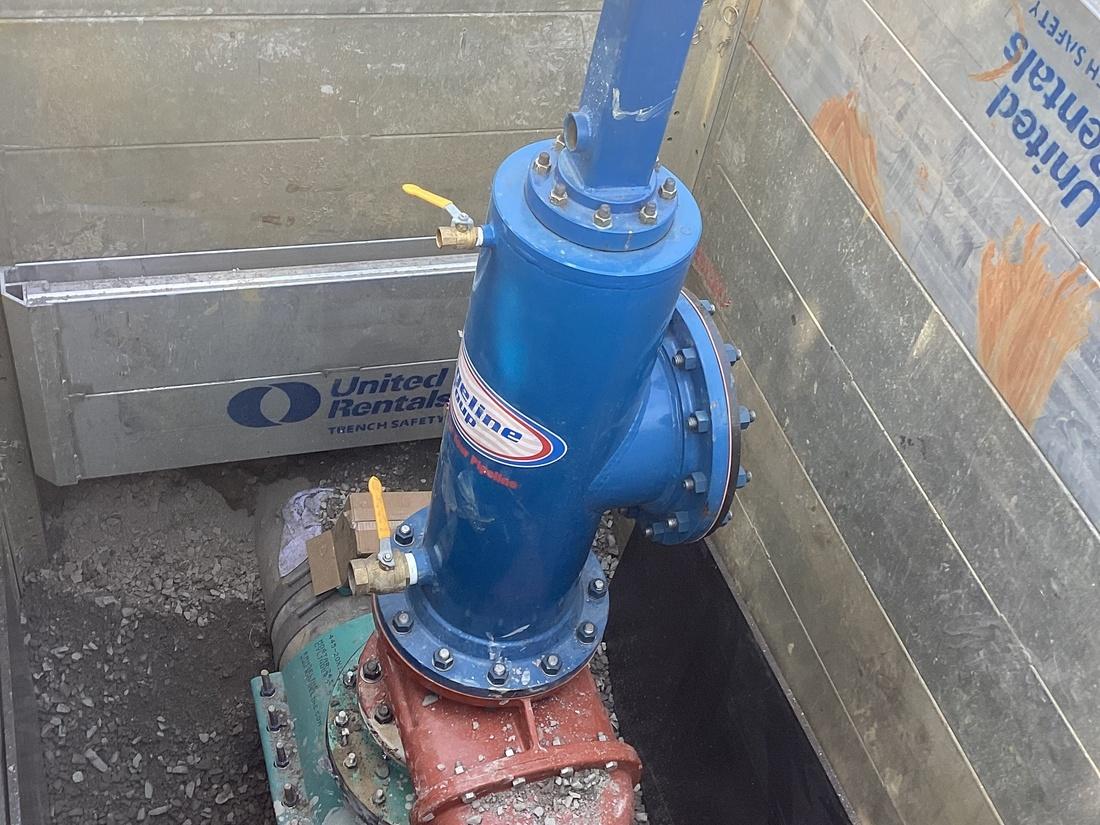
Systematic maintenance scheduling forms the cornerstone of pipeline safety programs implemented by service providers. These teams develop detailed maintenance calendars based on operating conditions, regulatory requirements, and historical performance data. The schedules ensure that critical components receive attention before wear or degradation compromises safety.
Corrosion prevention represents perhaps the most important ongoing maintenance activity. Cathodic protection systems use electrical current to prevent electrochemical corrosion, while protective coatings provide physical barriers against environmental factors. Regular testing and adjustment of these systems maintain their effectiveness throughout the pipeline’s operational life.
Advanced leak detection systems provide early warning of potential problems. Fiber optic sensors can detect minute changes in ground temperature caused by escaping product, while acoustic monitoring identifies the distinctive sounds of leaks. Computational pipeline monitoring uses flow and pressure data to model system behavior and flag unusual conditions that might indicate integrity issues.
Comprehensive emergency response planning ensures rapid, coordinated action when incidents occur. Pipeline contractors specializing in repairs develop detailed protocols that cover various scenarios, ranging from minor leaks to major ruptures. These plans specify roles and responsibilities, communication procedures, and resource deployment strategies designed to minimize impact and accelerate recovery.
Regular training programs and emergency drills maintain organizational readiness. Personnel participate in tabletop exercises, field simulations, and multi-agency drills that test both individual competencies and system-wide coordination and collaboration. These exercises reveal gaps in procedures and provide opportunities for continuous improvement.
Collaboration with local authorities strengthens emergency response capabilities. Service providers work closely with fire departments, law enforcement, environmental agencies, and emergency management organizations to ensure coordinated response efforts. Pre-established communication channels and shared resources enhance overall effectiveness during actual emergencies.
Environmental protection measures are a top priority during pipeline repairs. Service providers conduct impact assessments before performing repairs, especially in sensitive locations, to evaluate and mitigate potential effects on ecosystems, water resources, and habitats. These assessments guide the selection of repair techniques and materials that minimize environmental disturbance.
Community engagement programs build relationships with residents and stakeholders along pipeline routes. Educational initiatives help communities understand ongoing repair operations and safety measures, while feedback mechanisms allow teams to address concerns proactively. Transparent communication during repair and maintenance phases maintains public trust and cooperation.
Spill containment and response systems provide multiple layers of environmental protection during emergency repairs. Automated shut-off valves can isolate affected pipeline sections within minutes of leak detection, while pre-positioned response equipment enables rapid containment and cleanup operations. Environmental monitoring programs track air and water quality to ensure prompt detection of any impacts.

Pipeline repair service providers operate within a comprehensive regulatory framework designed to ensure public safety. The Pipeline and Hazardous Materials Safety Administration (PHMSA) establishes federal safety standards covering repair, maintenance, and operational activities. State and local regulations add additional requirements tailored to specific regional conditions.
Independent third-party audits provide an objective assessment of safety program effectiveness. These audits examine everything from maintenance records to emergency response capabilities, identifying areas for improvement and verifying compliance with applicable standards. Regular audit schedules ensure continuous oversight and accountability.
Transparency and comprehensive record-keeping support regulatory compliance and public accountability. Contractors maintain detailed documentation of all safety-related activities, including routine inspections, incident investigations, and repairs. This information supports regulatory reporting requirements and provides valuable data for continuous improvement initiatives.
AI and machine learning technologies are transforming pipeline safety management, especially in repair operations. For example, predictive analytics algorithms analyze vast amounts of operational data to identify patterns that might indicate developing problems. These systems can predict equipment failures, optimize maintenance schedules, and enhance overall system reliability, making repairs proactive rather than reactive.
Internet of Things (IoT) sensors and smart monitoring devices provide unprecedented visibility into pipeline conditions. Wireless sensor networks can monitor soil conditions, detect ground movement, and track environmental parameters that might affect pipeline integrity. Real-time data transmission enables immediate response and targeted repair interventions.
Automation increasingly supports both routine maintenance and emergency repairs. Robotic inspection and repair systems can access areas that are too dangerous or difficult for human technicians, while automated valve systems can isolate pipeline sections more quickly than manual operations. These technologies enhance both safety and efficiency while reducing human exposure to potential hazards.